



Relationships & Attachment
Do you find yourself worrying about rejection, overthinking messages, becoming anxious when people pull away, or repeatedly ending up in relationships that leave you feeling hurt, unseen, or unfulfilled? The ways we learn to connect, trust, and feel safe with other people often begin much earlier than we realise.
WHY DO RELATIONSHIPS FEEL SO DIFFICULT?
Most people don’t come to therapy because they want a better understanding of attachment theory. They come because relationships feel painful, confusing, or exhausting. Perhaps you find yourself constantly worrying about what other people think of you. Maybe you become anxious when somebody seems distant, struggle to trust people, or feel overwhelmed by fears of rejection and abandonment.
For others, the opposite may be true. You might find it difficult to let people get close to you. Perhaps you value independence so highly that asking for support feels uncomfortable. Maybe you find yourself withdrawing when relationships become emotionally intimate or ending things before somebody else has the opportunity to hurt you.
Many people describe feeling trapped in the same patterns over and over again. Different people, different circumstances, yet somehow the same emotional struggles keep appearing.
THERE’S USUALLY A REASON THESE PATTERNS DEVELOPED
The way we relate to other people rarely develops in isolation. Our earliest experiences teach us important lessons about relationships, connection, safety, and trust. We learn what to expect from other people and what we need to do in order to maintain closeness.
If relationships felt consistent and safe, we may have learned that other people can generally be trusted and relied upon. If relationships felt unpredictable, critical, rejecting, or emotionally unavailable, we may have learned very different lessons.
Many of the patterns that create difficulties in adulthood originally developed as ways of protecting ourselves. Becoming highly sensitive to rejection may have helped us avoid emotional pain. Becoming fiercely independent may have reduced the risk of disappointment. Struggling to trust may have been a sensible response to experiences where trust was repeatedly broken.
Understanding these patterns isn’t about blaming parents or dwelling on the past. It is about recognising that there is often a reason we respond to relationships in the ways that we do.
HOW ATTACHMENT PATTERNS SHOW UP TODAY
Attachment patterns influence far more than romantic relationships. They can affect friendships, family relationships, workplace dynamics, and the way we relate to ourselves.
You might find yourself seeking reassurance but never quite feeling reassured. You may struggle to believe that people genuinely care about you. Perhaps criticism feels devastating, conflict feels threatening, or distance feels unbearable. Some people become preoccupied with relationships, whilst others avoid emotional closeness altogether.
Many people know logically that their fears don’t fit the situation, yet emotionally it feels entirely real. A delayed text message can trigger anxiety. A change in tone of voice can feel alarming. Constructive feedback can feel like rejection. These reactions often make much more sense when we understand the attachment patterns operating underneath them.
The problem isn’t that you are too needy, too sensitive, too distant, or too independent. More often, these are adaptations that developed for good reasons.
WHY LGBTQ+ EXPERIENCES MATTER
Many LGBTQ+ people grow up navigating experiences that can significantly affect relationships and attachment. Bullying, rejection, shame, concealment, discrimination, and the fear of losing important relationships can all influence how safe connection feels.
For some people, acceptance felt uncertain growing up. There may have been fears about how family, friends, or communities would react if they knew who you really were. Others experienced rejection directly, reinforcing beliefs that relationships are fragile, conditional, or unsafe.
These experiences can make it difficult to trust that people will stay, difficult to believe that you are lovable, or difficult to feel secure even within healthy relationships. Many LGBTQ+ people arrive in therapy carrying fears that make perfect sense when viewed within the context of their experiences.
MY OWN EXPERIENCE
Looking back on my own life, I can see how many of my relationship struggles were connected to fears of rejection and a deep desire to feel accepted. Growing up feeling different shaped the way I viewed relationships and influenced how safe it felt to be fully seen by other people.
Like many LGBTQ+ people, I spent years adapting. I learned to monitor how I came across, to anticipate how others might respond, and to protect myself from potential rejection. Those strategies made sense at the time, but they also influenced the way I approached intimacy, vulnerability, and connection.
One of the most important things I have learned, both personally and professionally, is that many of the relationship patterns we criticise in ourselves are actually attempts to stay safe. Understanding where those patterns came from can be the first step towards changing them.
HOW THERAPY CAN HELP
Therapy can provide a space to explore your relationship patterns with curiosity rather than judgement. Together, we can begin identifying recurring themes, understanding where they may have developed, and exploring how they continue to influence your life today.
We may look at attachment, trust, vulnerability, rejection, boundaries, communication, intimacy, and self worth. The goal isn’t to blame yourself or other people. The goal is to develop a deeper understanding of your relational world so that you can make different choices moving forward.
Many people find that as they better understand themselves, relationships begin to feel less confusing and more manageable. They develop greater self awareness, stronger boundaries, healthier communication, and a more secure sense of self within relationships.
If any of this feels familiar, you’re not alone. These patterns often make sense when we understand where they came from. Therapy can provide a space to explore them with curiosity, compassion, and support.
EXPLORE ARTICLES ON LGBTQ+ MENTAL HEALTH RELATED TO
Relationships & Attachment
Why Am I Attracted To Emotionally Unavailable People?
Do you find yourself repeatedly attracted to people who can’t fully show up in relationships? This article explores why emotionally unavailable people can feel so compelling, how our past experiences shape attraction, and what it takes to break the cycle.

LGBTQ+ Relationships: Love, Shame, Belonging & Finding Our Own Path
Many LGBTQ+ people grow up without the relationship templates that heterosexual people often take for granted. This can leave us navigating attraction, intimacy and connection while carrying shame, fear of rejection and the impact of minority stress. This article explores why LGBTQ+ relationships sometimes feel different and what healthy connection can look like.

LGBTQ+ Relationships, Healing & The Emotional Labour Of Doing All The Work
Many LGBTQ+ people grow up becoming emotional caretakers without even realising it. We learn how to monitor other people’s reactions long before we learn how to fully express our own needs. Some of us become people pleasers. Some become perfectionistic. Others become hyper independent, endlessly accommodating, or emotionally vigilant. These patterns often develop for understandable reasons.
Ghosting In LGBTQ+ Relationships
For many people, ghosting can feel confusing, painful, humiliating, and emotionally destabilising. Even when the connection was relatively short lived, the emotional impact can linger long afterwards because there is often no real sense of closure or understanding about what happened.
Why “You Do You” Can Be So Powerful: Acceptance, Boundaries & Authenticity
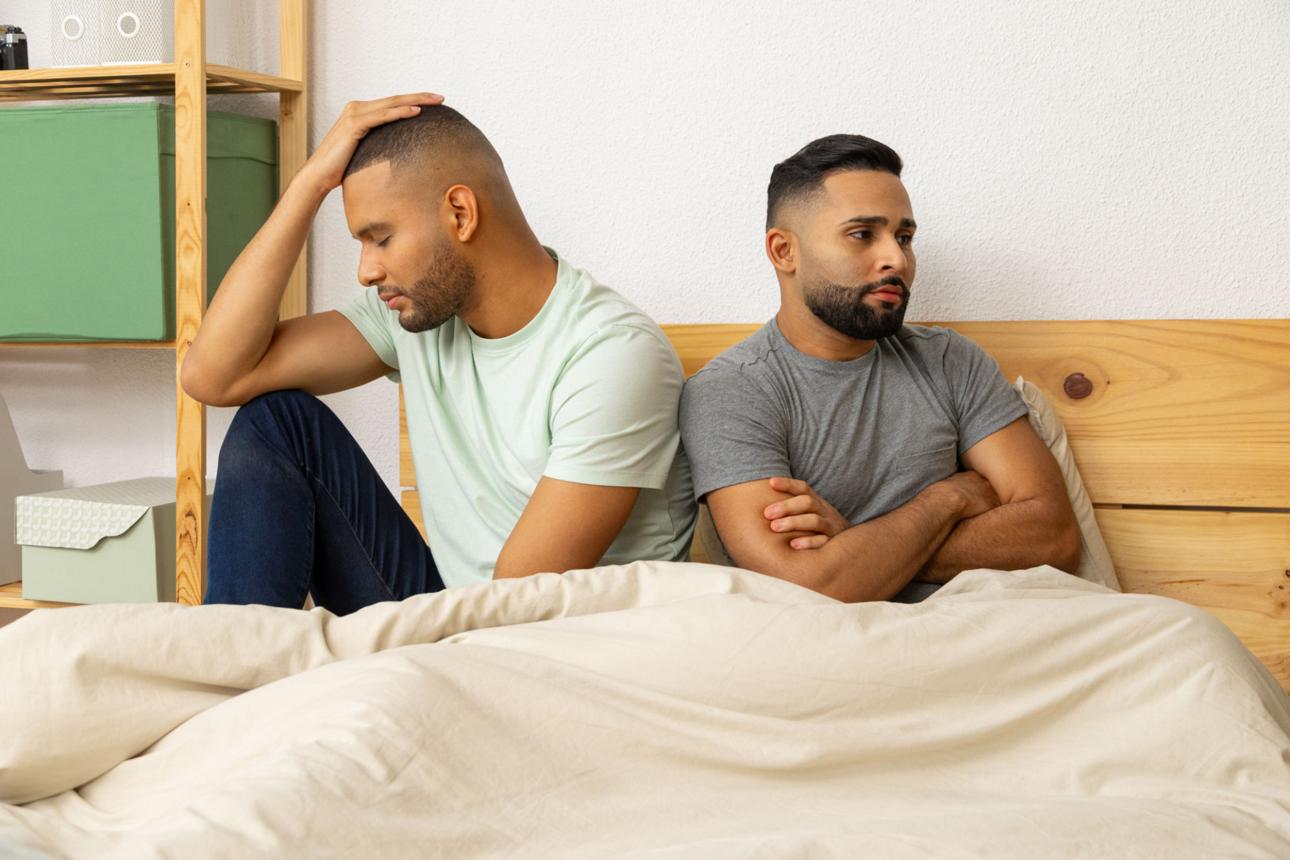
Fear Of Intimacy: Why Do I Push People Away When They Get Close?
Do you find yourself craving connection, only to pull away when relationships start to feel emotionally close? This article explores why many LGBTQ+ people struggle with intimacy, where these patterns come from, and how therapy can help create safer, healthier relationships.
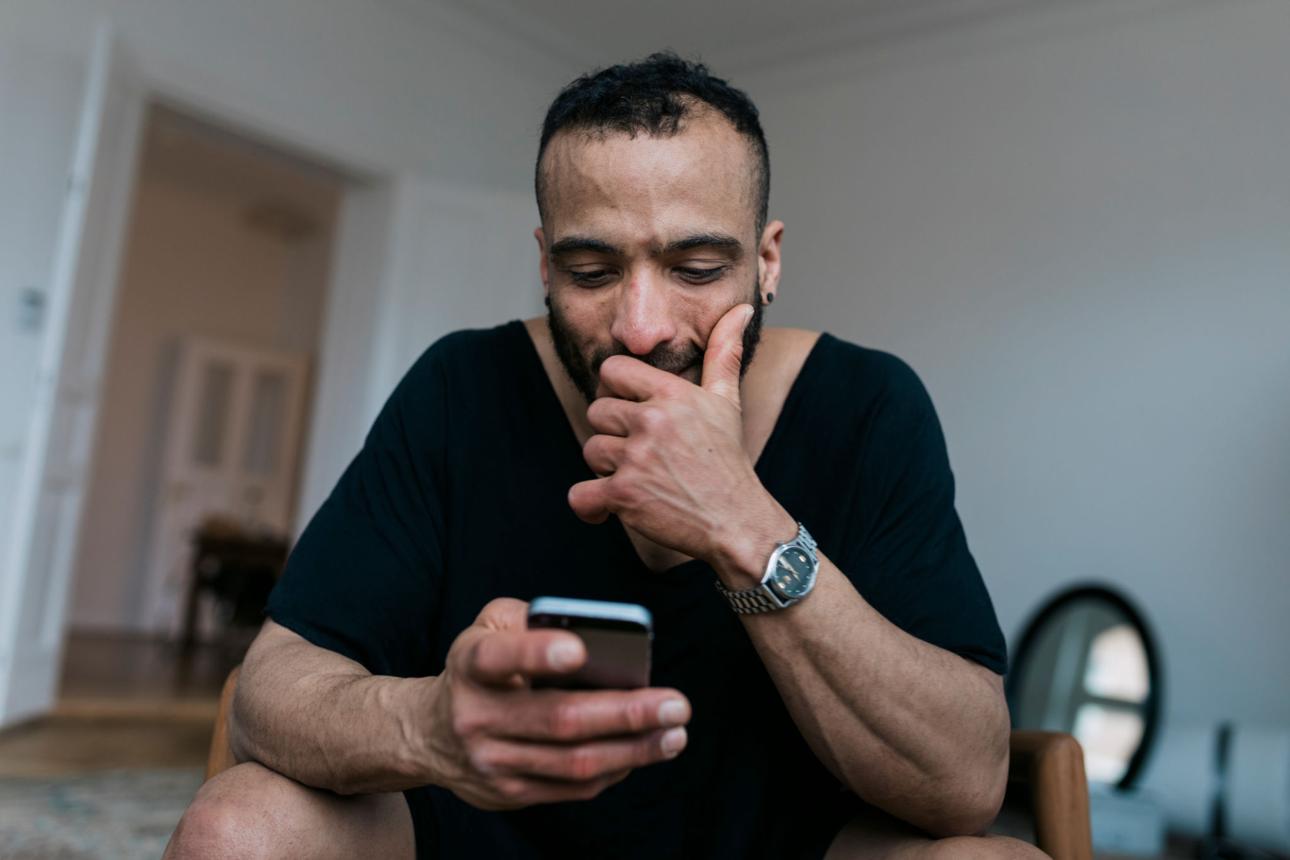
Why Mixed Signals Feel So Hard To Let Go Of

Why LGBTQ+ People sometimes Miss Romantic Signals

Judging Others So Harshly: The Psychology of Moral Superiority
In this video, I explore judgement, double standards, self awareness, and why humility and compassion often create far more connection than criticism ever will.