


Addiction & Recovery
Perhaps alcohol, drugs, chemsex, work, sex, food, gambling, or other coping strategies have become ways of managing difficult emotions. Maybe you’re sober now but discovering that recovery isn’t simply about stopping a behaviour and includes learning how to navigate emotions, relationships, shame, and self worth in new ways.
WHEN IT FEELS LIKE YOU KEEP RETURNING TO THE SAME PLACE
Perhaps you’ve promised yourself countless times that things will be different. Maybe you’ve cut back, stopped for a while, or managed periods of sobriety only to find yourself slipping back into old patterns. You might be feeling exhausted, frustrated, ashamed, or confused about why something that is causing problems in your life still feels so difficult to let go of.
For others, the situation can feel very different. The alcohol, drugs, chemsex, gambling, or other behaviour may have stopped, yet life still feels difficult. The anxiety remains. The loneliness remains. The self doubt remains. You may find yourself wondering why stopping hasn’t brought the relief you expected.
Whatever your experience, many people arrive in therapy carrying a sense that they have somehow failed. They often feel stuck between wanting things to change and not fully understanding why they keep finding themselves in the same place.
THERE’S USUALLY MORE GOING ON BENEATH THE SURFACE
Many people assume addiction is the problem. In my experience, it is often part of the picture, but rarely the whole story.
Most coping strategies develop because they serve a purpose. They help us manage difficult emotions, painful experiences, loneliness, anxiety, shame, grief, stress, or a sense of not belonging. They may provide relief, escape, connection, confidence, distraction, or temporary comfort when life feels overwhelming.
This doesn’t mean they are healthy or without consequences. It does mean there is usually a reason they developed.
One of the most important shifts that can happen in recovery is moving away from asking, “What’s wrong with me?” and beginning to ask, “What was I trying to cope with?” That question often creates space for understanding rather than self criticism.
HOW THESE CHALLENGES CAN SHOW UP IN DAILY LIFE
The impact isn’t always limited to the substance or behaviour itself. Many people describe feeling trapped in cycles of shame, secrecy, guilt, and self judgement. Others find themselves struggling with relationships, emotional regulation, low self worth, or a constant sense of restlessness and dissatisfaction.
Some people feel disconnected from themselves and unsure who they are without the coping strategy they have relied upon for so long. Others notice that difficult emotions feel much more intense when they are no longer being numbed or avoided.
Recovery can sometimes involve facing experiences, emotions, and memories that have been waiting in the background for years. Whilst this can feel daunting, it is also where many people begin developing a deeper understanding of themselves and what they genuinely need.
WHY LGBTQ+ EXPERIENCES MATTER
Many LGBTQ+ people grow up navigating experiences that can leave lasting emotional wounds. Bullying, rejection, discrimination, shame, minority stress, concealment, and feeling different from those around us can all affect how we see ourselves and how safe we feel in the world.
For some people, substances become a way of coping with these experiences. For others, they become connected to belonging, intimacy, confidence, or community. Particularly within some LGBTQ+ spaces, alcohol, drugs, and chemsex can become intertwined with social connection and the search for acceptance.
Many LGBTQ+ people are not only trying to recover from a substance or behaviour. They are also trying to recover from years of feeling different, judged, rejected, or not good enough. Understanding that wider context is often an important part of healing.
MY OWN EXPERIENCE OF RECOVERY
As somebody in long term recovery myself, I understand how easy it is to believe that stopping a behaviour will solve everything. What I discovered was that recovery asked much more of me than simply putting down a drink or stopping drugs.
It asked me to learn how to sit with feelings I had spent years trying to avoid. It asked me to learn healthier ways of coping with anxiety, shame, loneliness, and difficult emotions. It asked me to develop a different relationship with myself.
One of the biggest lessons recovery taught me was that the question isn’t always “Why the addiction?” More often, the question is “Why the pain?” Understanding that changed the way I viewed myself. Instead of seeing failure, I began seeing somebody who had been trying to cope with experiences and emotions he didn’t yet know how to manage.
HOW THERAPY CAN HELP
Therapy can provide a space to explore not only the behaviour itself, but also the experiences, emotions, and needs sitting beneath it. Together, we can begin understanding the patterns that have developed, the role they have played in your life, and what might be needed moving forward.
Whether you’re actively struggling with addiction, newly sober, or have been in recovery for many years, therapy can help you understand yourself more deeply, develop healthier ways of coping, and build a life that feels more authentic, connected, and fulfilling.
If any of this feels familiar, you’re not alone. These patterns often make sense when we understand where they came from. Therapy can provide a space to explore them with curiosity, compassion, and support.
EXPLORE ARTICLES ON LGBTQ+ MENTAL HEALTH RELATED TO
Addiction & Recovery

Am I In Denial About My Drinking Or Drug Use?
Many people imagine addiction looks a certain way. Sleeping on park benches, hiding bottles, losing everything. For years, I compared myself to those stereotypes and convinced myself I couldn’t possibly have a problem. Looking back, denial wasn’t about refusing to see the truth. It was about finding reasons not to look too closely.

Navigating Sober Sex After Chemsex: Confidence, Connection and Recovery
For many gay and bisexual men, recovery from chemsex isn’t simply about stopping drugs. One of the biggest challenges can be learning how to navigate sex, attraction, intimacy, dating and relationships sober, often for the first time in years.
Trauma and Addiction: When Survival Strategies Become Self Destructive
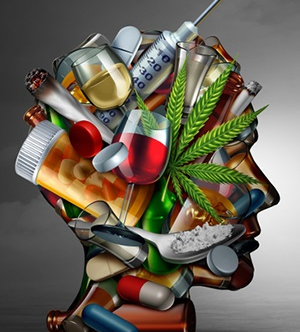
Many LGBTQ+ people carry wounds created in relationships. Addiction often begins as an attempt to manage the pain, shame, anxiety or loneliness that follows. Understanding the connection between trauma and addiction can transform how we view recovery.
Recovery In The LGBTQ+ Community: Alcohol, Substances, Chemsex & Healing
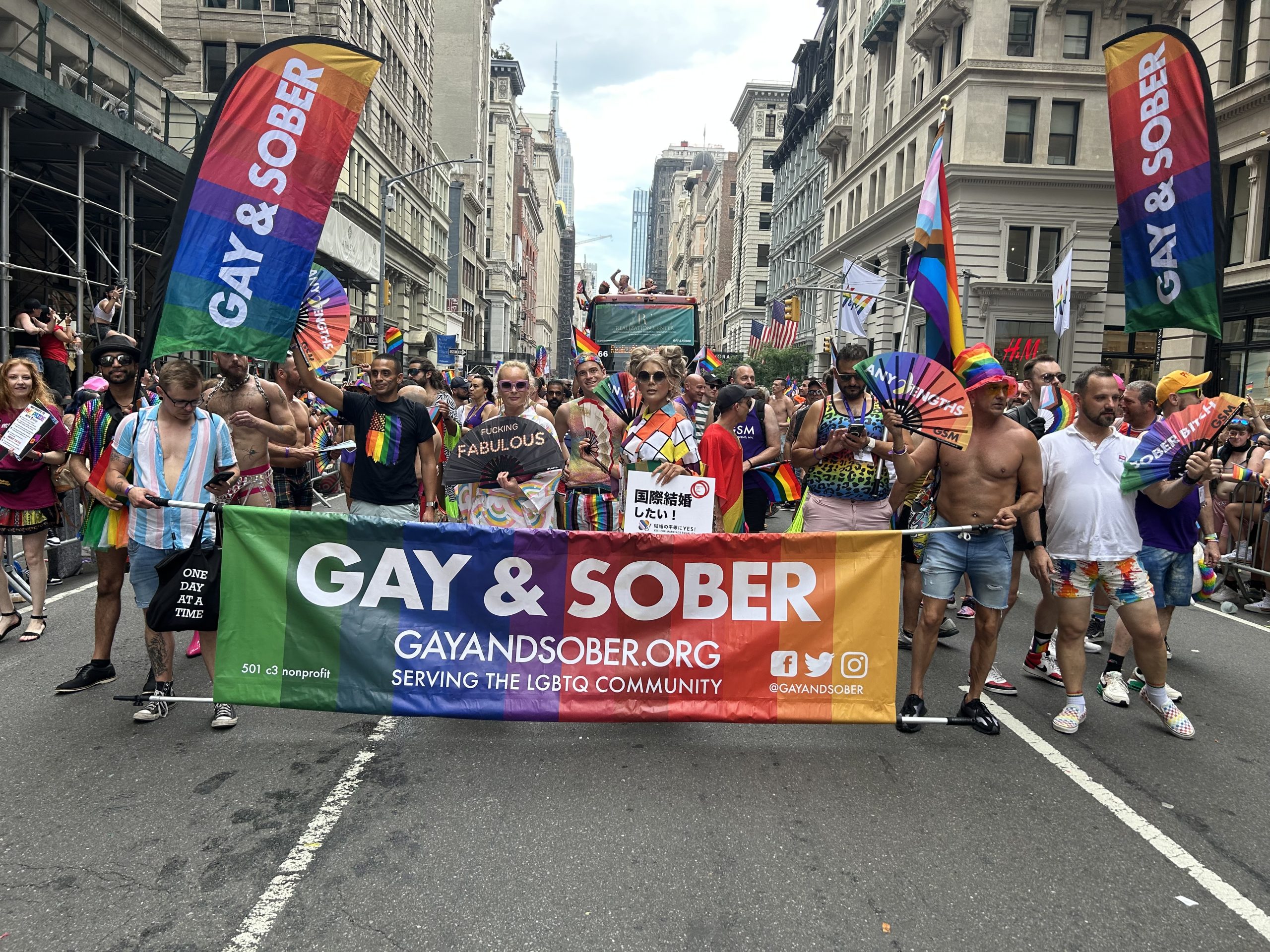
LGBTQ+ recovery is about far more than simply stopping drinking or using substances. For many LGBTQ+ people, alcohol and substances were never really about partying at all. They were often about survival, about finding confidence, connection, belonging, escape, or temporary relief from shame, anxiety, loneliness, or emotional pain.

Chemsex, Shame & Connection: Understanding the Emotional Reasons Behind Chemsex
When I first started taking ecstasy in the clubbing scene, before chemsex later entered the picture, it felt transformational, it felt like freedom. Suddenly I wasn’t worrying what people thought of me. I didn’t feel awkward, anxious, self conscious, or trapped inside my own head anymore

Chemsex, A Complex Relationship