
LGBTQ+ AFFIRMING COUNSELLING & THERAPY IN MANCHESTER
Helping LGBTQ+ people navigate anxiety, shame, relationships, trauma, identity, self worth and the long term impact of Minority Stress in a world that hasn’t always felt safe or accepting.
I’m Gavin Reid BA (Hons), MBACP, an LGBTQ+ affirming counsellor offering online and in person counselling from Manchester city centre.
How about booking in for a free 15-minute online introduction session to see if we are the right fit?
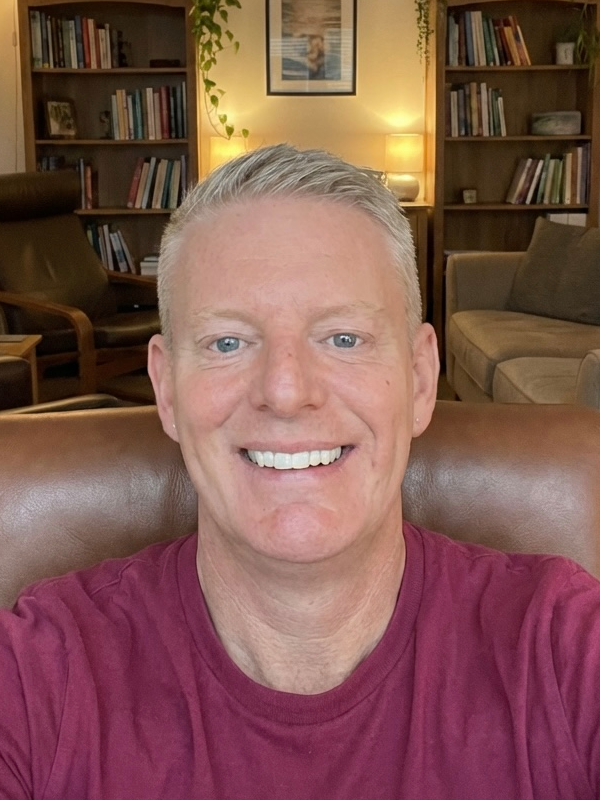
LGBTQ+ AFFIRMING COUNSELLING ROOTED IN UNDERSTANDING, COMPASSION & LIVED EXPERIENCE
As a gay man who grew up during Section 28 and the AIDS crisis, I understand what it can feel like to move through the world carrying shame, hypervigilance, anxiety, or the sense that parts of yourself needed to stay hidden in order to feel safe.
Many LGBTQ+ people grow up feeling emotionally different, isolated, rejected, or misunderstood. Over time, those experiences can shape self worth, relationships, identity, emotional regulation, and mental health in ways that often continue into adulthood.
Therapy can become one of the few places where you no longer feel like you need to minimise, explain, or defend who you are.
Alongside my lived experience, I hold a First Class BA (Hons) degree in Counselling, specialist postgraduate training in Gender, Sexual and Relationship Diversity (GSRD) Therapy with Pink Therapy, and additional training in working with complex trauma, particularly relational trauma.
I completed my clinical placement at the LGBTQ+ charity LGBT Foundation supporting LGBTQ+ clients with a wide range of mental health, identity, relationship and wellbeing challenges.
As an Advanced Accredited GSRD Therapist, my practice is explicitly built to support Gender, Sex, and Relationship Diversity. You never have to explain, justify, or translate your lifestyle here. I provide a genuinely safe, deeply competent space for individuals and relationships navigating alternative structures, including Ethical Non-Monogamy (ENM), Polyamory, Open Relationships, and Kink-Aware dynamics.
I have over 1,000 hours of client experience supporting people with anxiety, shame, trauma, identity struggles, emotional exhaustion, relationships, self worth, and LGBTQ+ mental health.
My approach is warm, relational, trauma informed, neuro-affirming, and tailored to your individual needs and experiences
Why clients Choose to work with Me
First Class BA (Hons) degree in Counselling
Over 1,000 hours client experience
MBACP Registered Member
LGBTQ+ affirming counselling online and in Manchester city centre
Specialist postgraduate training with Pink Therapy
Qualified to work with complex and relational trauma
Integrative, relational, trauma informed approach
Experience supporting LGBTQ+ relationships, identity exploration, anxiety, shame, self worth, and emotional regulation
Articles, insights & resources
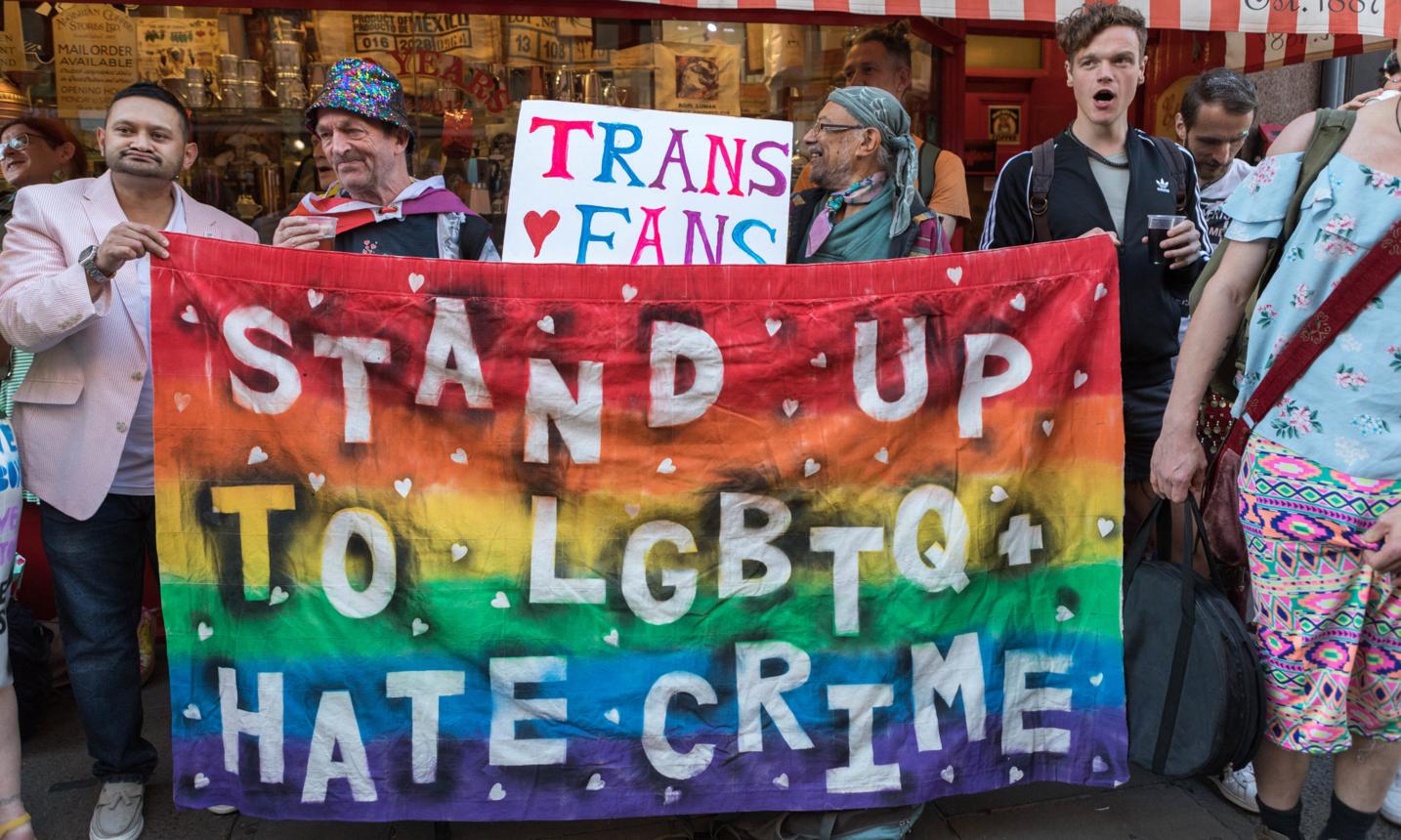
LGBTQ+ Hate Crime And Mental Health: The Hidden Cost Of Feeling Unsafe In The UK
Many LGBTQ+ people have spent years overcoming shame and learning to live authentically. Yet rising hate crime, hostile rhetoric, and growing social hostility can leave people feeling less safe than they once did. This article explores the mental health impact of living in an increasingly uncertain social climate.

Authenticity and Healing: Moving Beyond Survival and Becoming Yourself
Many LGBTQ+ people become experts at survival. We learn to hide, adapt, people please, perform, and protect ourselves from rejection. But what happens when the strategies that once kept us safe begin to hold us back? This article explores authenticity and healing, and the journey from surviving to becoming ourselves.

Self Compassion and LGBTQ+ Healing: Learning to Be on Your Own Side
Many LGBTQ+ people grow up believing something is wrong with them. Self compassion begins when we stop asking “What’s wrong with me?” and start asking “What happened to me?” That shift can become the foundation for healing, authenticity, and self acceptance.

LGBTQ+ Survival Strategies: The Adaptations That Helped Us Survive
Many LGBTQ+ people grow up adapting to environments that don’t fully accept them. What if people pleasing, perfectionism, hypervigilance, masking, and hyper independence aren’t flaws at all, but intelligent survival strategies that once helped us stay safe?

Self Worth: What Happens When Your Value Depends on Other People?
Many LGBTQ+ people grow up searching for evidence that they’re good enough. Sometimes we look for it in relationships, achievement, appearance, social media, work, or other people’s approval. But what happens when our self worth depends entirely on things outside ourselves?

LGBTQ+ Relationships With Parents: Grief, Acceptance, Estrangement & Healing
Relationships with parents can be some of the most significant and emotionally complex relationships in LGBTQ+ people’s lives. This reflective article explores attachment, conditional acceptance, estrangement, grief, healing, and the reality that family relationships often require effort from both sides.
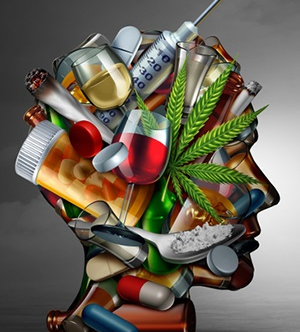
Trauma and Addiction: When Survival Strategies Become Self Destructive
Many LGBTQ+ people carry wounds created in relationships. Addiction often begins as an attempt to manage the pain, shame, anxiety or loneliness that follows. Understanding the connection between trauma and addiction can transform how we view recovery.
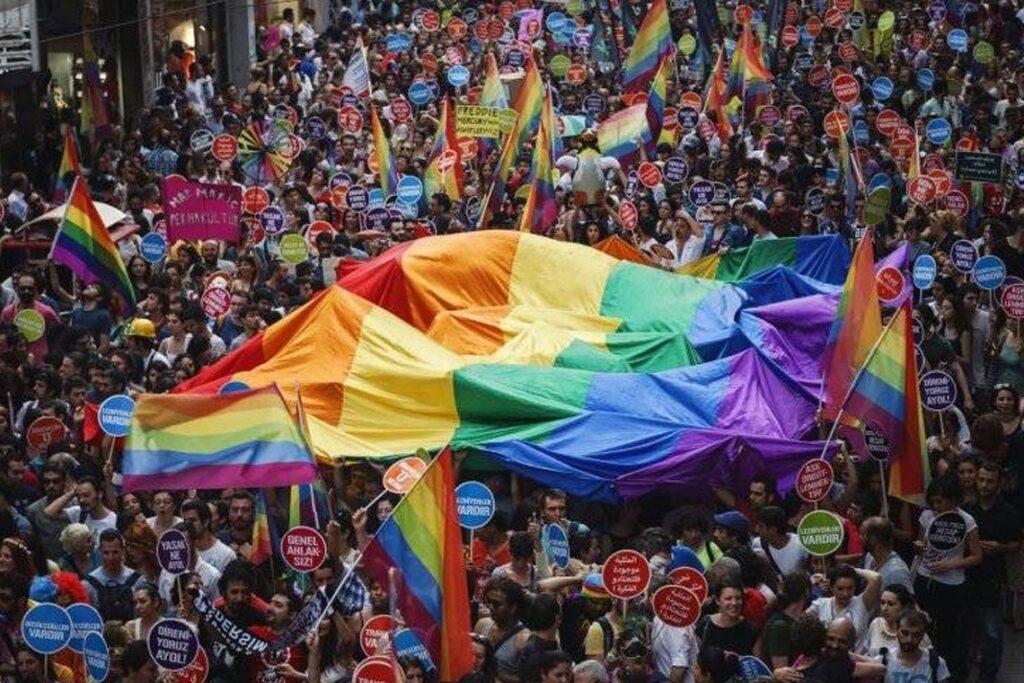
Why We Still Need Pride
Pride isn’t just a parade or a party. It’s a reminder of where we’ve come from, what we’ve overcome and why visibility still matters. In a world where prejudice, discrimination and minority stress haven’t disappeared, Pride offers something powerful: community, belonging and hope. Because the rights we enjoy today weren’t guaranteed, and they weren’t won alone.

LGBTQ+ Self Doubt: Why We Trust Other People’s Opinions More Than Our Own
When we don’t trust ourselves, other people’s opinions can begin to carry enormous weight. A compliment may feel difficult to accept, while criticism can feel devastating. Even minor disagreements can trigger anxiety, self doubt, or a sense that we’ve somehow got something wrong. Many LGBTQ+ people become so accustomed to judgement that criticism starts to feel familiar, while kindness, encouragement, or praise can feel surprisingly uncomfortable because they don’t fit with the story we’ve learned to tell ourselves about who we are.

Why Do I Assume People Won’t Like Me?
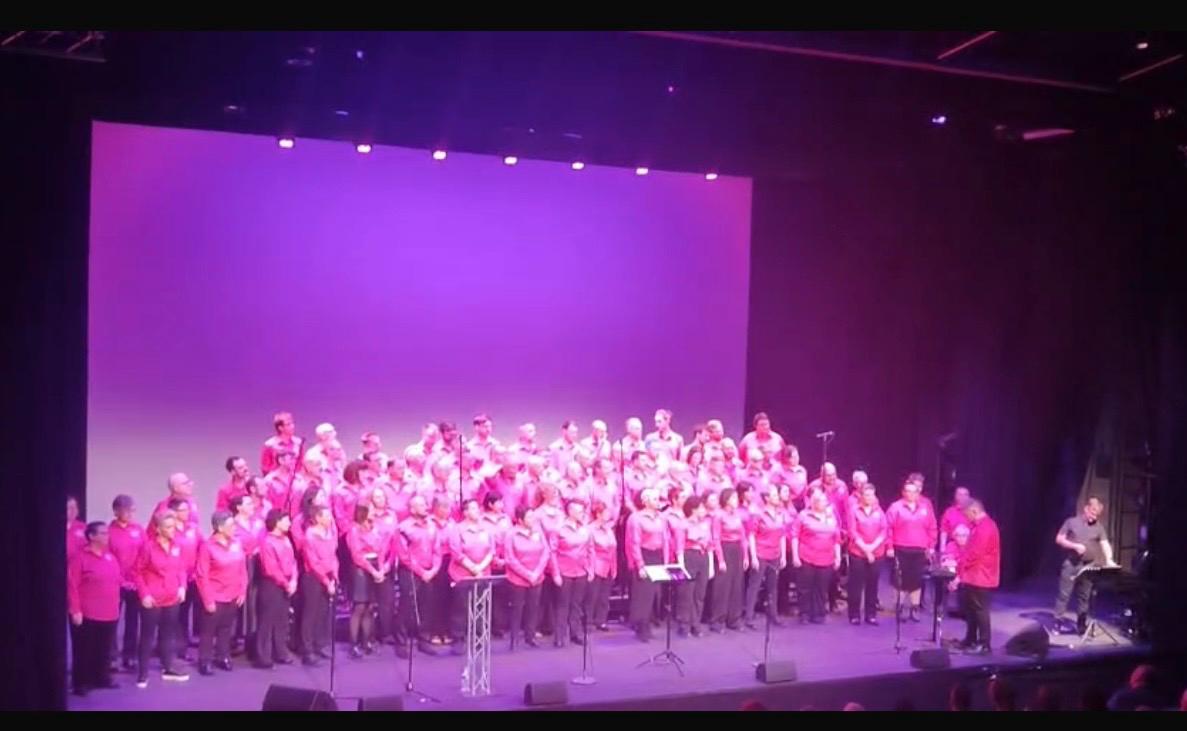
Queer Joy, Community, Belonging, And The Courage To Be Seen
Queer joy is far more than celebration or Pride flags. For many LGBTQ+ people, it represents healing, connection, visibility, and finally feeling safe enough to fully be yourself. In this personal reflection, I explore recovery, shame, community, therapy, and how joining a LGBTQ+ choir became part of my journey from hiding who I was to learning I could belong exactly as I am.
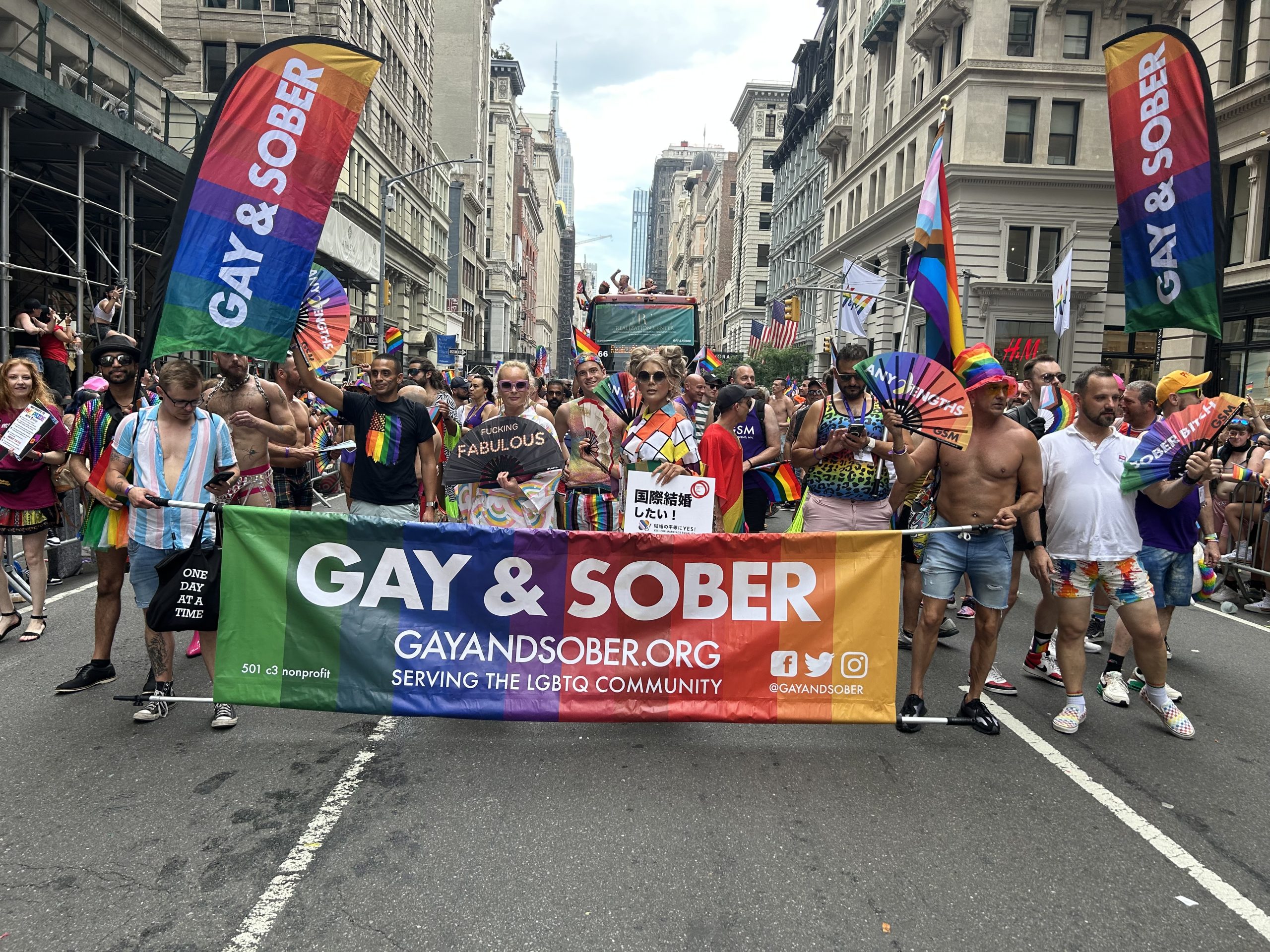
Recovery In The LGBTQ+ Community: Alcohol, Substances, Chemsex & Healing
LGBTQ+ recovery is about far more than simply stopping drinking or using substances. For many LGBTQ+ people, alcohol and substances were never really about partying at all. They were often about survival, about finding confidence, connection, belonging, escape, or temporary relief from shame, anxiety, loneliness, or emotional pain.

Trauma, Shame, and Survival: Why Being Trauma Informed Matters in LGBTQ+ Therapy
A couple of years ago, I overheard two people talking and one of them said something very simple: “Trauma’s trauma.” That sentence stayed with me because it completely shifted how I understood my own experiences. It helped me realise trauma doesn’t need to be ranked, justified, or compared in order to matter. Trauma isn’t a competition. What matters is the impact experiences have on the nervous system, our sense of safety, and the ways we learn to survive emotionally.

Why So Many LGBTQ+ People Become People Pleasers
Why LGBTQ+ people become people pleasers often begins with fear, shame, and the need to maintain acceptance. For many people, people pleasing is not simply about being “too nice.” It can become a survival strategy that develops in environments where belonging feels uncertain or conditional.
LGBTQ+ Anxiety And The Threat System
Anxiety can feel exhausting and overwhelming, especially when it starts affecting everyday things like relationships, work, confidence, sleep, or even leaving the house. Over time, many people begin feeling stuck in survival mode, constantly overthinking, scanning for danger, or waiting for something to go wrong.
Internalised Homophobia: How Shame & Societal Messages Become Internalised
Many LGBTQ+ people grow up absorbing messages about sexuality, gender, and belonging long before they understand what those messages mean. Internalised homophobia is often less about self hatred and more about carrying society’s shame inside ourselves.
Neuroqueer Masking: What Happens When You Learn To Hide Twice
Many LGBTQ+ people learn to hide parts of themselves in order to stay safe. Many neurodivergent people do the same. When those experiences overlap, the result can be a lifetime of adaptation, masking, and exhaustion.
Why Do I Change My Personality Around Different People?
Do you feel like a different person depending on who you’re with? Many LGBTQ+ people learn to adapt, hide parts of themselves, or become whoever they need to be in order to feel accepted. This article explores why that happens and how reconnecting with your authentic self can begin.
Am I In Denial About My Drinking Or Drug Use?
Many people imagine addiction looks a certain way. Sleeping on park benches, hiding bottles, losing everything. For years, I compared myself to those stereotypes and convinced myself I couldn’t possibly have a problem. Looking back, denial wasn’t about refusing to see the truth. It was about finding reasons not to look too closely.
PROFESSIONAL MEMBERSHIPS & ACCREDITATION
I’m a registered member of the British Association for Counselling and Psychotherapy (BACP) and an Advanced Accredited Gender, Sexual and Relationship Diversity (GSRD) Therapist with Pink Therapy.
These memberships reflect my commitment to ethical practice, ongoing professional development, and specialist LGBTQ+ affirmative therapy.
You can also view my professional profiles and directories below:
Choosing the Right Counsellor
Choosing the right counsellor is a personal decision, and it’s important that you work with somebody you feel comfortable, understood, and emotionally safe with.
You may be looking for a counsellor who understands particular life experiences, identities, or challenges. For many LGBTQ+ people, feeling genuinely accepted and affirmed within the therapeutic relationship can make a huge difference.
Qualifications, training, and experience all matter, but so does the sense of connection you feel when reading somebody’s words or speaking with them for the first time. Therapy works best when you feel able to show up openly, honestly, and without fear of judgement.
That’s why I offer a free 15 minute introductory session. It gives us the opportunity to meet, talk about what’s bringing you to counselling, and see whether we feel like the right fit to work together.
Community Involvement
In addition to my private practice, I volunteer at two local LGBTQ+ charities. This work keeps me deeply connected to the community and informed about the current challenges facing LGBTQ+ individuals.