

CHEMSEX, SHAME, AND THE SEARCH FOR CONNECTION
When people talk about chemsex, the conversation often focuses on the behaviour itself. The drugs, the sex, the risks, the overdoses, the headlines. What often gets lost underneath all of that is the emotional reality of why many people become drawn into chemsex in the first place.
Because for many people, chemsex doesn’t begin with recklessness or self destruction. It often begins with pain, loneliness, shame, anxiety, rejection, or the desperate need to feel connected to something or someone. As a therapist, and also as somebody who understands addiction and compulsive coping personally, I think it’s important we begin having more compassionate and psychologically informed conversations about chemsex within LGBTQ+ communities. Not conversations rooted in judgement or moral panic, but conversations that ask: what is this behaviour doing emotionally for somebody? What pain might sit underneath it? What happens when substances temporarily silence shame?
For many gay and bisexual men especially, shame often begins long before drugs ever enter the picture. A lot of us grew up in environments where being different felt unsafe. We learned to monitor ourselves carefully, stay alert to rejection, and hide parts of who we were. Some experienced overt bullying, violence, or hostility. Others absorbed quieter messages through jokes, stereotypes, religion, or simply noticing how LGBTQ+ people were spoken about.
GROWING UP GAY WITH SHAME AND HYPERVIGILANCE
Growing up in the 1970s and 1980s as a gay man, there was a constant undercurrent of fear and shame around being different. Homophobia was everywhere. The AIDS crisis dominated headlines, Section 28 silenced discussion of LGBTQ+ identities in schools, and words like “gay” were regularly used as insults. I was bullied heavily throughout school and carried enormous shame about who I was from a very young age. I was called “Gay Gavin” before I even fully understood what being gay meant. Even now, writing those words still brings up something emotional in me. Shame has a way of embedding itself deeply into the nervous system.
When people grow up feeling watched, judged, or unsafe, they often become hypervigilant. You learn to constantly monitor yourself. The way you walk, the way you speak, your body language, your interests, your clothes, your mannerisms. You begin trying to manage other people’s reactions before they even happen. That level of self monitoring becomes exhausting, and over time many LGBTQ+ people end up emotionally disconnected from themselves without fully realising it.
FANTASY, ESCAPISM, AND EMOTIONAL SURVIVAL
Looking back, I think fantasy and escapism became some of my earliest coping strategies. I spent huge amounts of time in my head imagining different lives, different futures, different versions of myself where I was loved, accepted, desired, or finally enough. Fantasy became somewhere I could temporarily escape to when reality felt painful. Later, alcohol and drugs would begin serving a similar emotional function.
WHY SUBSTANCES CAN FEEL EMOTIONALLY TRANSFORMATIVE
One of the things I’ve reflected on in my recovery is that substances initially gave me relief from myself. When I first started taking ecstasy in the clubbing scene, it felt transformational, it felt like freedom. Suddenly I wasn’t worrying what people thought of me. I didn’t feel awkward, anxious, self conscious, or trapped inside my own head anymore. I felt confident, connected, and like I finally belonged somewhere. For the first time in my life, I experienced relief from the constant internal voice telling me I wasn’t good enough.
That’s what can make addiction so psychologically complicated. The substances often work emotionally, at least at first. They soothe something. They numb something. They create temporary freedom from pain, shame, fear, or loneliness. For many LGBTQ+ people, those feelings run incredibly deep.
CHEMSEX AND UNMET EMOTIONAL NEEDS
A lot of gay men grow up emotionally disconnected from themselves and from other people. Some spend years hiding attraction, suppressing emotion, or feeling unable to explore identity openly during adolescence. Others develop profound loneliness while outwardly appearing social, funny, successful, or confident. That was certainly true for me at times. Friendships became incredibly important in my life because I had felt so isolated growing up. Looking back now, I think I judged my worth as a human being based on whether I had friends, social plans, or people around me. Being wanted socially became tied to feeling lovable because internally I still carried beliefs that I wasn’t enough on my own.
Chemsex environments can tap directly into those unmet emotional needs. There can be intense feelings of connection, intimacy, validation, attention, and belonging. For people carrying shame, rejection, or loneliness, those experiences can feel incredibly powerful. It can temporarily feel like all the barriers disappear. The anxiety disappears. The inhibition disappears. The fear disappears. But often what disappears alongside them are boundaries, safety, emotional regulation, and eventually parts of the self.
WHEN ESCAPE BECOMES ISOLATION
Over time, the thing that once felt freeing can slowly become imprisoning. What begins as excitement, connection, or escape can gradually become dependency, secrecy, compulsive behaviour, emotional chaos, and isolation. Many people begin organising their lives around substances, sex, recovery days, and surviving the emotional aftermath.
I know what it’s like to spend entire weekends chasing oblivion. Coke, G, alcohol, staying awake for days, hook up apps, sex parties, people constantly coming and going from the house. At the time, it felt exciting, rebellious, and free. I genuinely thought I was living my best life. Looking back now, I can see how small my world had actually become. The irony is that while chemsex often promises connection, it can slowly create enormous emotional isolation. People can become disconnected from themselves, their bodies, their emotions, and from authentic forms of intimacy. Relationships become organised around substances. Friendships become organised around substances. Entire social worlds can revolve around escape.
And underneath all of it, shame often grows.
That shame can become vicious because many people know their lives are becoming unmanageable long before they feel able to stop. There can be huge amounts of self hatred afterwards, yet those feelings themselves often become triggers for further use because the substances temporarily silence them again. That’s why shame alone rarely helps people recover. If anything, shame tends to deepen secrecy and isolation. It convinces people they are broken, disgusting, weak, or beyond help. Many LGBTQ+ people are already carrying years of internalised shame before addiction even enters the picture.
RECOVERY, GRIEF AND RECONNECTION
I think this is why compassion matters so much in recovery work. Not compassion that excuses harmful behaviour, but compassion that understands people usually develop coping strategies for understandable reasons. Addiction often begins because something emotionally works for somebody. The difficulty is that over time the coping strategy itself starts causing enormous harm.
For me personally, recovery has involved much more than simply stopping substances. It has involved learning to sit with myself without constantly needing escape. Learning to tolerate emotions rather than numb them. Learning to understand where some of my patterns came from. Looking honestly at my people pleasing, my obsessive attachment patterns, my need for validation, and the shame I carried for years underneath it all.
One of the most healing things has been finding connection outside of substances. Some of the most meaningful experiences in my life now are actually very simple. Singing with my LGBTQ+ choir. Genuine friendship. Travelling with people I care about. Feeling accepted without needing to chemically alter myself first. Those experiences challenge the old belief that connection is only possible through intoxication, performance, or escape.
Recovery also forced me to realise that underneath a lot of my addiction was grief. Grief for the child who felt different. Grief for years spent ashamed of myself. Grief for all the energy that went into trying to become acceptable, desirable, successful, or lovable enough. I think many LGBTQ+ people carry versions of that grief.
We live in a world that still often tells queer people they are too much, not enough, wrong, unsafe, embarrassing, or undesirable unless they perform themselves correctly. That has a psychological impact whether people consciously realise it or not. Chemsex doesn’t happen in a vacuum. It exists within wider systems of shame, minority stress, loneliness, body image pressures, trauma, validation seeking, and the search for belonging.
HEALING BEYOND SHAME
That’s why meaningful healing often involves more than simply stopping a behaviour. People also need safety, community, honest conversations, emotional support, self awareness, and spaces where they no longer feel they have to run away from themselves. Therapy can be one of those spaces.
Many people arrive feeling terrified of being judged for addiction, sex, compulsive behaviour, or the things they’ve done whilst using. Yet when those experiences are met with compassion and curiosity rather than condemnation, people often begin understanding themselves differently. Not as bad people or failures, but as human beings who adapted to emotional pain in the best ways they knew how at the time.
Healing rarely happens through shame. It usually begins when somebody feels safe enough to finally stop hiding.
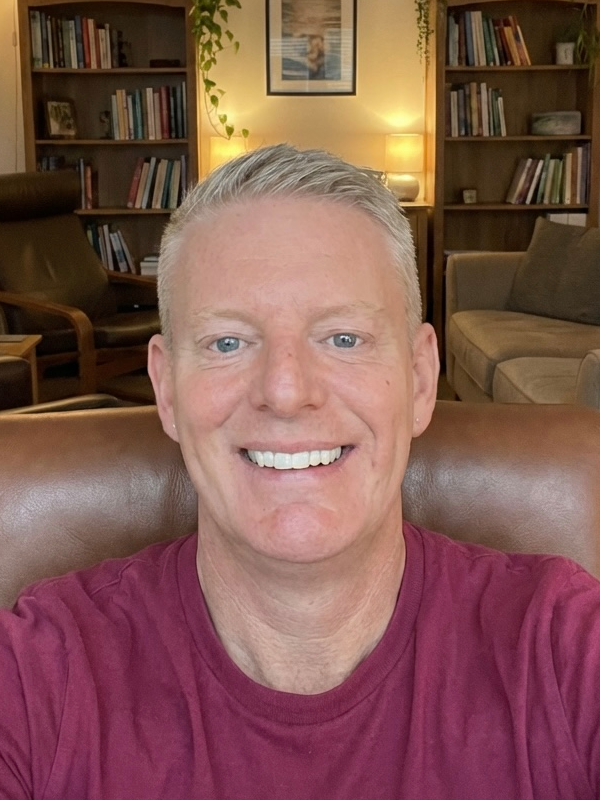
If any of this resonates with you and you’d like support exploring it further, I offer LGBTQ+ affirming therapy both online and in person from my practice in Manchester city centre. You’re welcome to get in touch to arrange a free 15 minute introductory call.