



Many LGBTQ+ people grow up learning to prioritise other people’s comfort over their own needs. Experiences of rejection, bullying, shame, identity invalidation, or conditional acceptance can make it difficult to say no, take up space, express disagreement, or set healthy emotional boundaries. Over time, this can lead to people pleasing, emotional exhaustion, resentment, anxiety, and losing touch with your own needs and identity.
For some people, people pleasing becomes a survival strategy developed early in life, a way of staying safe, avoiding conflict, maintaining connection, or reducing the risk of rejection. You may find yourself over explaining, over accommodating, hiding parts of yourself, struggling with guilt when setting limits, or feeling responsible for other people’s emotions and wellbeing.
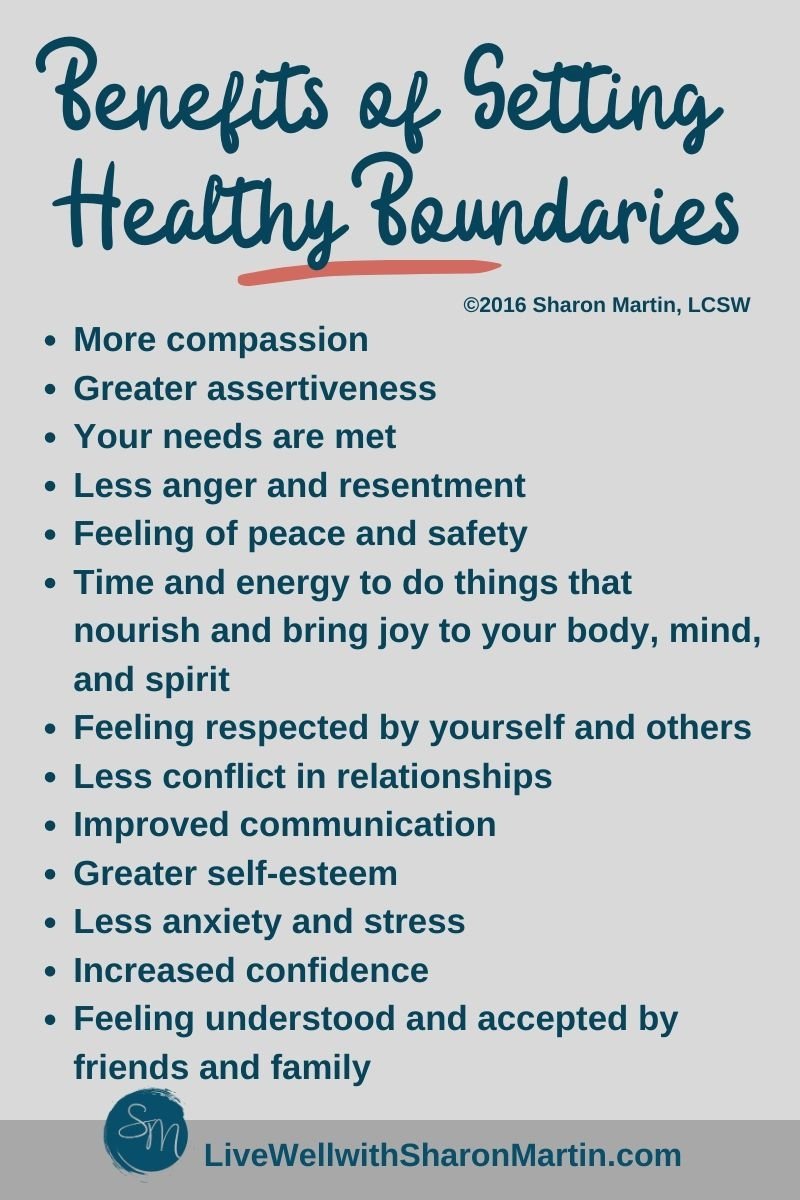
Healthy boundaries aren’t about pushing people away or becoming selfish. They’re about recognising where you end and someone else begins. Boundaries help protect mental health, strengthen self respect, improve relationships, and create space for authenticity, safety, and emotional balance. They allow people to express their needs more openly and develop relationships built on mutual respect rather than fear, obligation, or self abandonment.
In therapy, we can explore where these patterns came from, how they may have helped you survive in the past, and how to begin building healthier ways of relating to yourself and others. Learning to set boundaries and prioritise your own wellbeing can be a powerful part of healing, self acceptance, and living more authentically.
If any of this resonates with you and you’d like support exploring it further, I offer LGBTQ+ affirming therapy both online and in person from my practice in Manchester city centre. You’re welcome to get in touch to arrange a free 15 minute introductory call.