


LGBTQ+ Minority Stress & Identity
Have you ever felt different, out of place, or as though you were navigating the world by a different set of rules to everyone around you? Many LGBTQ+ people carry the impact of growing up in environments that weren’t always affirming, and those experiences can continue to influence self worth, relationships, confidence, anxiety, and mental health long into adulthood.
GROWING UP FEELING DIFFERENT
Many LGBTQ+ people knew they were different long before they had the language to explain why. Perhaps you found yourself carefully monitoring what you said, how you behaved, or who you spent time with. Maybe you worried about standing out, being judged, rejected, or discovered. For some people, there were obvious experiences of bullying, discrimination, or exclusion. For others, the message was more subtle but no less powerful.
You may have learned to keep parts of yourself hidden. You may have become highly aware of what other people expected from you. You may have spent years trying to fit in whilst quietly wondering why it always seemed to require so much effort.
These experiences can be incredibly isolating. Many LGBTQ+ people describe growing up feeling alone, misunderstood, or disconnected from those around them. Even when surrounded by other people, there can be a sense of carrying a secret that nobody else understands.
WHY DOES IT STILL AFFECT ME NOW?
One of the most common questions I hear is: “Why am I still struggling with this when it happened years ago?”
The reality is that we don’t simply leave our experiences behind when we leave school, move away from home, or come out. The ways we learned to survive often continue into adulthood. If you spent years monitoring yourself for signs of rejection, it makes sense that criticism might feel particularly painful today. If acceptance felt conditional growing up, it makes sense that relationships might sometimes feel uncertain or anxiety provoking.
Many people find themselves struggling with rejection sensitivity, self criticism, perfectionism, people pleasing, anxiety, or a constant feeling that they are somehow not enough. Often these aren’t separate problems. They are connected to the environments and experiences that shaped us.
Understanding this isn’t about blaming the past. It’s about recognising that there is usually a reason we feel the way we do.
MINORITY STRESS IS MORE THAN A SINGLE EVENT
Many people assume trauma only comes from major life events. Yet for LGBTQ+ people, the cumulative impact of smaller experiences can be just as significant. Hearing negative comments. Feeling excluded. Hiding aspects of yourself. Worrying about how others will react. Not seeing people like yourself represented positively. Constantly assessing whether it is safe to be open about who you are.
These experiences can create what is known as minority stress. Rather than a single event, it is the ongoing emotional and psychological impact of living within a society that doesn’t always affirm LGBTQ+ identities.
The effects can be far reaching. Some people experience anxiety and hypervigilance. Others struggle with shame, self worth, loneliness, or difficulties trusting others. Many people simply carry a persistent sense that they need to work harder than everyone else in order to feel accepted.
IDENTITY IS ABOUT MORE THAN SEXUALITY OR GENDER
Whilst sexuality and gender may be important parts of who we are, identity is much broader than that. It includes our sense of self, our values, our relationships, our communities, and our place in the world.
Many LGBTQ+ people reach a point where they realise they have spent so much energy adapting to other people’s expectations that they have lost touch with themselves. Questions begin to emerge. Who am I when I’m not trying to fit in? What do I actually want? What parts of myself have I kept hidden? What would life look like if I stopped organising it around other people’s comfort?
These can be difficult questions, but they can also be deeply liberating ones. Identity isn’t something we discover once and then never revisit. It continues to evolve throughout our lives.
MY OWN EXPERIENCE
As a gay man who grew up during the era of Section 28, I know what it feels like to grow up believing there was something about you that needed to be hidden. Looking back, I can see how many of my struggles weren’t signs that there was something wrong with me. They were understandable responses to growing up in environments that often felt unsafe, invalidating, or rejecting.
Like many LGBTQ+ people, I spent years adapting. I learned how to monitor myself, how to fit in, and how to minimise the risk of rejection. At the time, those adaptations made sense. They helped me survive. What I didn’t realise was how many of those patterns would continue influencing my self worth, relationships, and mental health long after the original circumstances had changed.
One of the most powerful parts of my own journey has been recognising that many of the things I once criticised myself for were actually attempts to stay safe, connected, and accepted. That understanding created space for self compassion and a much healthier relationship with myself.
HOW THERAPY CAN HELP
Therapy can provide a space to explore your experiences without judgement and without needing to explain or defend who you are. Together, we can begin making sense of the patterns that have developed, the challenges you’re facing today, and the experiences that may have contributed to them.
We may explore themes such as shame, self worth, relationships, anxiety, rejection sensitivity, belonging, identity, confidence, or the impact of minority stress. Rather than viewing these difficulties as evidence that something is wrong with you, therapy can help you understand them as understandable responses to your life experiences.
If any of this feels familiar, you’re not alone. These patterns often make sense when we understand where they came from. Therapy can provide a space to explore them with curiosity, compassion, and support.
EXPLORE ARTICLES ON LGBTQ+ MENTAL HEALTH RELATED TO
LGBTQ+ Minority Stress & Identity
Neuroqueer Masking: What Happens When You Learn To Hide Twice
Many LGBTQ+ people learn to hide parts of themselves in order to stay safe. Many neurodivergent people do the same. When those experiences overlap, the result can be a lifetime of adaptation, masking, and exhaustion.

Why Do I Change My Personality Around Different People?
Do you feel like a different person depending on who you’re with? Many LGBTQ+ people learn to adapt, hide parts of themselves, or become whoever they need to be in order to feel accepted. This article explores why that happens and how reconnecting with your authentic self can begin.
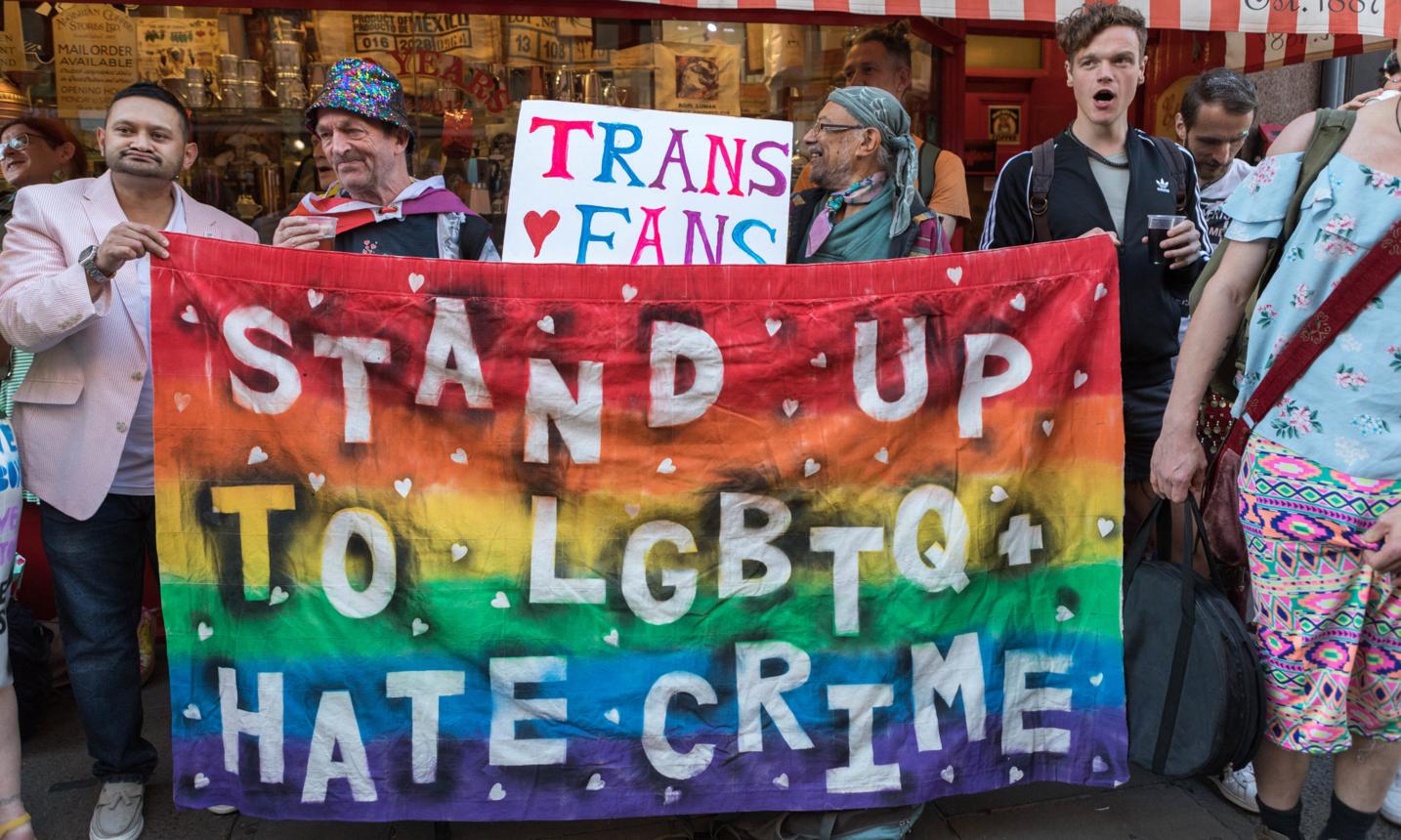
LGBTQ+ Hate Crime And Mental Health: The Hidden Cost Of Feeling Unsafe In The UK
Many LGBTQ+ people have spent years overcoming shame and learning to live authentically. Yet rising hate crime, hostile rhetoric, and growing social hostility can leave people feeling less safe than they once did. This article explores the mental health impact of living in an increasingly uncertain social climate.

The Adaptations and Authenticity Framework: Understanding LGBTQ+ Survival, Healing and Connection
Why do so many LGBTQ+ people struggle with shame, people pleasing, perfectionism, anxiety, and self doubt? The Adaptations and Authenticity Framework brings together person centred therapy, minority stress, self compassion, relational trauma, and authenticity to explain how we survive difficult environments and how healing unfolds.

LGBTQ+ Survival Strategies: The Adaptations That Helped Us Survive
Many LGBTQ+ people grow up adapting to environments that don’t fully accept them. What if people pleasing, perfectionism, hypervigilance, masking, and hyper independence aren’t flaws at all, but intelligent survival strategies that once helped us stay safe?

LGBTQ+ Microaggressions: The Small Things That Don’t Feel So Small
Many LGBTQ+ people are told they’re overreacting to comments that seem harmless on the surface. Yet when these experiences happen repeatedly, they can have a significant impact on mental health, self worth and emotional wellbeing
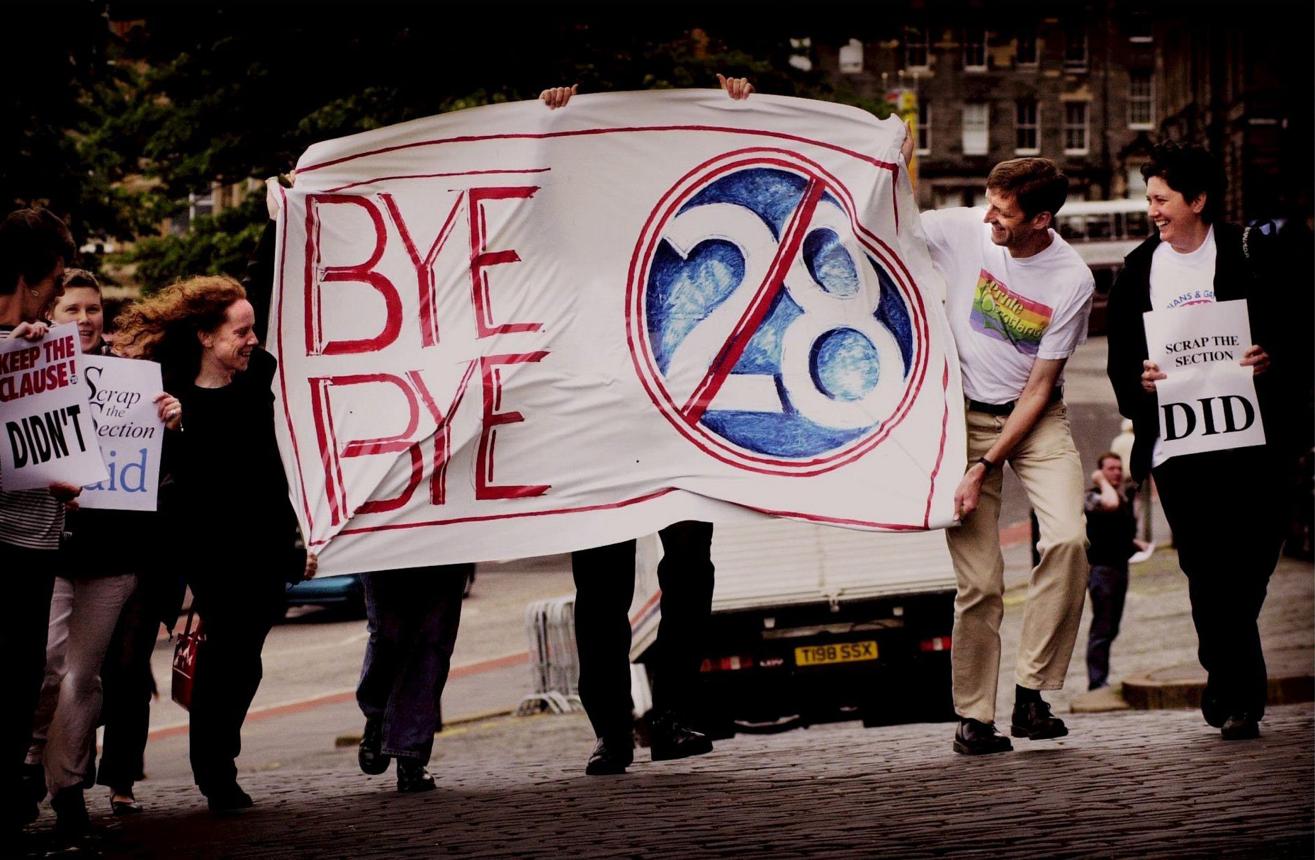
Section 28 And The Lasting Impact On LGBTQ+ Mental Health
Section 28 was repealed more than twenty years ago, but its impact didn’t end when the law disappeared. For many LGBTQ+ people, it shaped how we saw ourselves, our relationships, and our place in the world.
Coming Out As LGBTQ+: Coming Home To Yourself
Coming out is often portrayed as a single conversation, but for many LGBTQ+ people it is a lifelong journey shaped by shame, belonging, identity, rejection, resilience and self acceptance. Drawing on personal experience, therapeutic insight and LGBTQ+ research, this essay explores what coming out really means and why the journey is different for everyone.

The New EHRC Guidance, Gender Policing, And Why Many Trans People Are Feeling Unsafe
The new EHRC guidance has left many trans, non binary, and gender non conforming people feeling frightened, exhausted, and increasingly unsafe in public life. In this video, I reflect on the emotional and psychological impact this may be having on LGBTQ+ communities, including fear, shame, hypervigilance, and the policing of gender expression.
Healing Your Relationship With Masculinity: Shame, Authenticity And Intra Minority Stress In LGBTQ+ Communities
Many LGBTQ+ people grow up learning that certain ways of speaking, dressing, expressing emotion, or existing are somehow “wrong.” Over time, these messages can create shame, self monitoring, and pressure to perform masculinity in order to feel accepted or safe. This essay explores hegemonic masculinity, intra minority stress within LGBTQ+ communities, and the journey towards authenticity, self acceptance, and healing your relationship with masculinity.