



RISING HOSTILITY AND ITS IMPACT ON LGBTQ+ PEOPLE
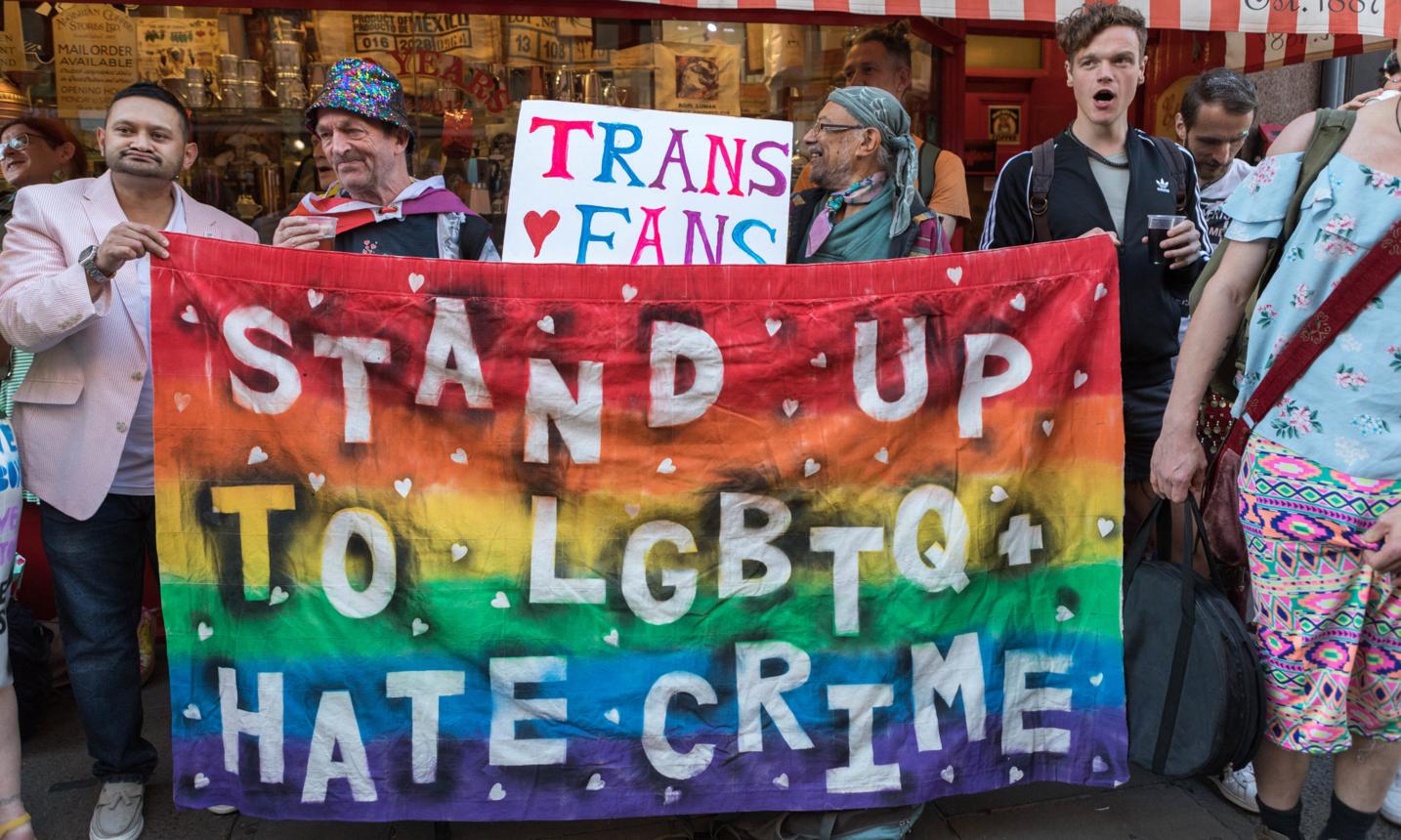
Recent years have seen growing concern about rising hostility towards LGBTQ+ people, particularly trans and gender diverse communities. Reports of LGBTQ+ hate crime have increased significantly, prompting concerns not only about safety but also about the wider impact on LGBTQ+ mental health and wellbeing. While official police figures fluctuate from year to year, the broader picture remains troubling. Stonewall reports that police recorded hate crime based on sexual orientation has increased by 20% over the last five years, while hate crime based on trans identity has increased by 50%. At the same time, Galop, the UK’s LGBT+ anti abuse charity, reported a 60% increase in LGBTQ+ victims seeking support following hate crimes in 2024. In the following year, calls to Galop’s National LGBT+ Abuse and Violence Helpline increased by a further 27%.
Statistics can sometimes feel distant and abstract, yet behind every number is a person who has been harassed, threatened, assaulted, or made to feel unsafe because of who they are. Hate crime affects far more than those directly targeted because it sends a message to the wider community. When incidents become more visible, many LGBTQ+ people begin questioning whether the progress achieved over recent decades is as secure as it once appeared.
Alongside these figures, there has been growing visibility of anti LGBTQ+ rhetoric both online and offline. In my article ‘Why We Still Need Pride‘ I wrote about how developments in the USA often shape public discourse in the UK, with narratives and talking points quickly crossing borders through social media, news outlets, and political movements. Combined with the rise of far right movements across parts of Europe and the UK, as well as events such as the recent Christian nationalist march through Soho, many LGBTQ+ people report feeling increasingly unsettled about the direction of travel.
This article isn’t concerned with debating those movements, but rather recognising that they can have a real impact on people’s sense of safety and wellbeing. In my article Why We Still Need Pride, I explored how Pride remains important not only because of our history but because visibility, safety, and acceptance continue to require protection.
WHAT HAPPENS WHEN WE DON’T FEEL SAFE?
One of the most significant psychological consequences of living within a hostile social climate is hypervigilance. Hypervigilance refers to a heightened awareness of potential threat and develops when individuals learn that aspects of themselves may expose them to rejection, discrimination, or harm. For many LGBTQ+ people this process begins early in life as they become attuned to spoken and unspoken messages about sexuality and gender. Over time, scanning the environment for signs of danger can become automatic, shaping how people behave, connect with others, and understand themselves.
Many LGBTQ+ people become highly skilled at assessing situations. Is it safe to mention a partner? Should I challenge that comment? Can I be fully myself in this environment? These calculations often happen so quickly that we barely notice them. However, remaining alert to potential threat requires energy. When the nervous system is constantly scanning for danger, it becomes much harder to relax, trust, and feel genuinely at ease.
Many LGBTQ+ people become experts at reading a room long before they become experts at understanding themselves.
When hostility appears to be increasing, these threat detection systems often become more active. People may find themselves feeling more anxious in public spaces, becoming increasingly cautious online, avoiding difficult conversations, or anticipating rejection before it occurs. Even if nothing directly happens to them, the expectation that something could happen can have a significant impact on mental health. Anxiety, low mood, sleep difficulties, depression, emotional exhaustion, irritability, and feelings of isolation can all emerge when the nervous system remains on high alert for prolonged periods.
THE HIGH PRICE OF HYPERVIGILANCE
The difficulty is that hypervigilance often works. It helps us identify genuine risks, navigate environments that may not be safe, and avoid situations where we could experience harm. The problem is that surviving and thriving are not the same thing. While hypervigilance may protect us from danger, it can also restrict our ability to connect, trust, and fully engage with life.
Over time, many LGBTQ+ people begin shrinking themselves in subtle ways. They may become less visible online, stop attending community events, avoid discussing their identity, or carefully monitor how they present themselves. These responses are understandable, particularly when the social climate feels uncertain, yet they often come at a psychological cost.
The adaptations that help us survive can sometimes become the very things that stop us feeling fully alive.
Much of my writing focuses on the relationship between shame, adaptations, and authenticity. Many LGBTQ+ people spend years overcoming internalised stigma, learning self acceptance, finding community, and reclaiming aspects of themselves that once felt unsafe to express. Authenticity is rarely something that happens overnight. It is often the result of years of reflection, courage, healing, and personal growth. When the world feels less safe, however, there can be a temptation to retreat into older survival strategies, becoming quieter, smaller, and more cautious in order to reduce the risk of rejection or harm.
THE TENSION BETWEEN SAFETY AND AUTHENTICITY
One of the challenges many LGBTQ+ people face is balancing the need for safety with the desire to live authentically. The nervous system is designed to prioritise survival, which means that when threat levels increase, protection often takes precedence over self expression. This is entirely understandable. If a person feels unsafe, their mind and body will naturally focus on reducing risk before pursuing growth, connection, or authenticity.
The difficulty is that many LGBTQ+ people have already experienced the emotional cost of hiding who they are. They know what it feels like to monitor every word, conceal important parts of themselves, and shape shift in order to belong. They have worked hard to challenge shame and build lives that feel more aligned with who they really are. When social hostility increases, there can be a painful tension between wanting to remain visible and authentic while also wanting to feel safe.
This tension is one of the reasons why rising hostility can have such a profound impact on mental health. The challenge isn’t simply the fear of harm. It is the fear of losing access to the authenticity, freedom, and self acceptance that have often taken years to develop.
HOW THERAPY CAN HELP
Therapy cannot eliminate prejudice, discrimination, or the wider social forces that contribute to minority stress. However, it can help us understand how those forces affect us psychologically and emotionally. Many LGBTQ+ people arrive in therapy believing there is something wrong with them because they feel anxious, exhausted, angry, hopeless, or fearful. Often these responses make perfect sense when viewed within the context of the environments they have had to navigate.
Therapy can provide a space to explore the impact of hostility, discrimination, and shame without having to minimise or justify those experiences. It can help people understand the adaptations they developed to survive, whether that is people pleasing, masking, perfectionism, hyper independence, or hypervigilance, while also exploring whether those strategies are still serving them today. Understanding why these adaptations developed can reduce self criticism and create opportunities for greater self compassion.
The goal isn’t to ignore danger. The goal is to ensure that fear doesn’t become the force that determines who we are allowed to be.
Importantly, therapy can help people reconnect with themselves. When we spend long periods monitoring the outside world for signs of danger, it becomes easy to lose contact with our own needs, values, and feelings. Therapy offers an opportunity to rebuild a sense of safety, strengthen self worth, and develop the confidence to remain connected to who we are, even within a world that does not always feel accepting. While we cannot always control the environments around us, we can develop a deeper understanding of ourselves and find ways to protect our wellbeing without abandoning our authenticity.
Whatever challenges you’re facing, there’s usually a reason they developed in the first place. The thoughts, feelings, and behaviours we struggle with today are often adaptations to experiences that once required us to survive, protect ourselves, or belong. Understanding those patterns with curiosity and compassion can be the first step towards lasting change.