


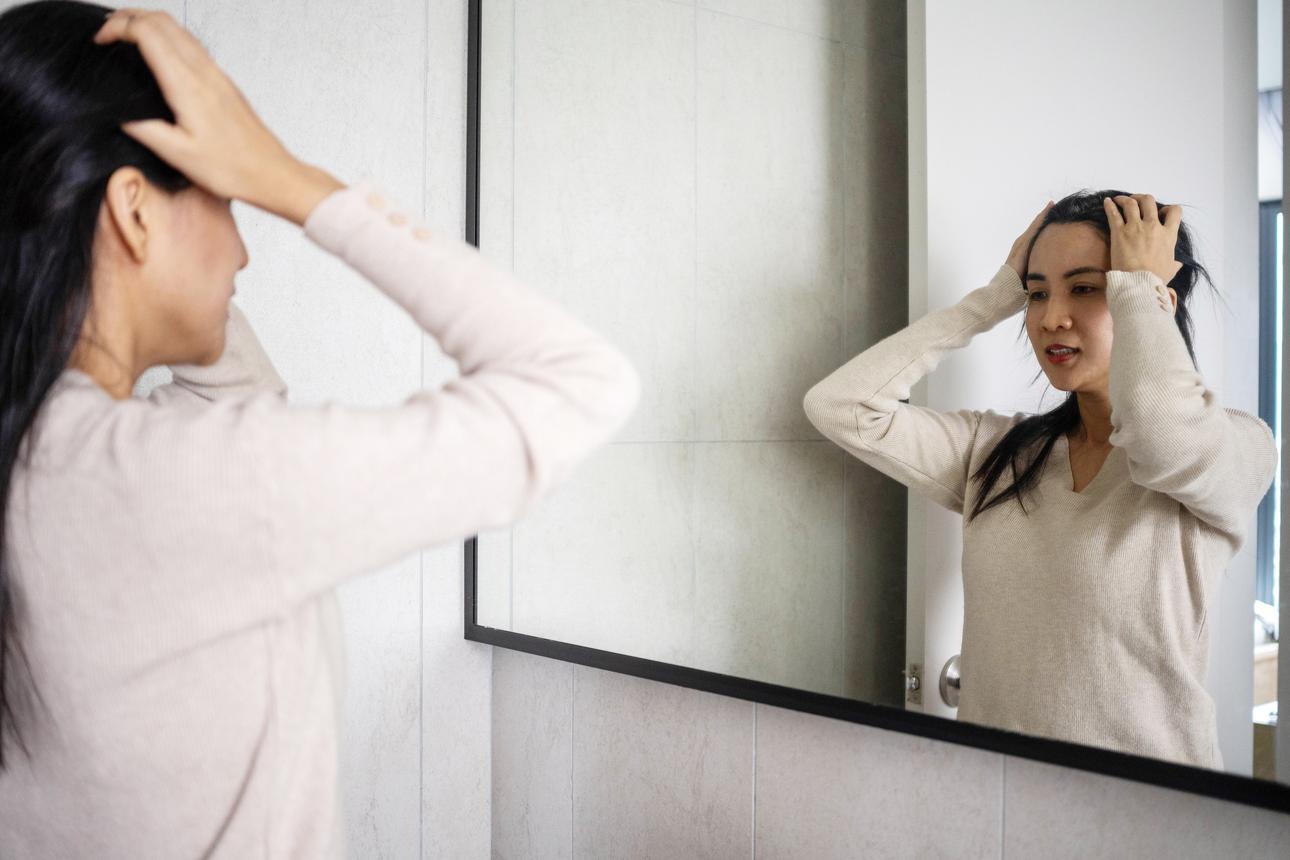
Many people find themselves asking, “Why do I change my personality around different people?” Perhaps you notice that you’re more confident with certain friends, quieter around family members, more agreeable at work, or more cautious in romantic relationships. You may feel as though you’re constantly adjusting yourself depending on who you’re with, almost like you’re playing different roles throughout the day. Over time, this can become confusing and exhausting, leaving you unsure of which version of yourself is the real one.
For many people, particularly those from marginalised backgrounds, this isn’t a sign that there’s something wrong with them. It’s often the result of years spent adapting to environments where belonging felt uncertain and authenticity didn’t always feel safe. What can look like inconsistency from the outside is frequently a highly developed survival strategy that helped someone navigate rejection, criticism, bullying, shame, or exclusion.
The reality is that human beings are naturally adaptable. We all behave slightly differently in different contexts. Most people wouldn’t speak to their manager in exactly the same way they speak to their closest friends. The difficulty arises when adaptation becomes so automatic and so deeply ingrained that we lose sight of our own preferences, needs and identity. Instead of making conscious choices about how we show up, we begin unconsciously shaping ourselves around the expectations of other people.
Learning To Read The Room
Children are remarkably skilled at learning the rules of the environments they grow up in. Long before we’re able to articulate our experiences, our nervous systems are gathering information about what’s safe, what’s dangerous, what earns approval and what risks rejection. If certain parts of us are welcomed, those parts are expressed more freely. If other parts attract criticism, shame or ridicule, we often learn to hide them.
Many LGBTQ+ people become particularly skilled at reading the room. Growing up in a heteronormative world can create an ongoing awareness that being different may carry consequences. Even before a child fully understands their sexuality or gender identity, they may become aware that certain interests, mannerisms, behaviours or feelings attract unwanted attention.
As a result, many LGBTQ+ people learn to constantly monitor themselves. This isn’t because they’re manipulative or inauthentic, but because they are trying to stay safe in environments where authenticity hasn’t always felt welcome. Over time, attention shifts away from understanding who we are and towards understanding who we need to be in order to gain acceptance, avoid rejection and maintain connection with the people around us.
Being yourself only feels safe when your authentic self has been welcomed.
For some people, this process happens so gradually that they barely notice it. The adaptation becomes part of who they are. They learn to read facial expressions, monitor reactions and anticipate what others might need from them. While these skills can be useful, they can also come at a cost when they become the primary way we relate to the world.
When Authenticity Doesn’t Feel Safe
Authenticity is often presented as though it should come naturally, but authenticity can be incredibly difficult when being yourself has previously resulted in pain. If a child learns that visibility attracts bullying, criticism or rejection, it makes sense that they would begin hiding certain parts of themselves. If expressing needs leads to disappointment or conflict, it makes sense that those needs might be suppressed.
Many LGBTQ+ adults carry these adaptations long after the original circumstances have changed. The nervous system remembers the emotional lessons of childhood even when the conscious mind understands that things are different now. Someone may be surrounded by accepting friends, supportive colleagues and affirming communities while still feeling an internal pressure to monitor, edit and manage how they present themselves.
Many LGBTQ+ people didn’t lose themselves. They learned to hide parts of themselves in order to belong.
As a gay man growing up in the 1970s and 1980s, I can recognise this pattern in my own life. Looking back, there were many moments where I learned to suppress parts of myself because they didn’t feel safe. I remember wanting to take dance lessons as a child, but feeling unable to say yes because I feared it would reinforce what other people already suspected about me. What I wanted became less important than avoiding further ridicule and rejection.
The adaptation made sense at the time. The problem is that survival strategies often continue operating long after they are needed.
The Cost Of Constant Shape Shifting
While shape shifting can help us survive difficult environments, it often creates challenges later in life. The very adaptation that once protected us can gradually disconnect us from ourselves. When we spend years focusing on what other people need, expect or approve of, it becomes increasingly difficult to identify what we genuinely think, feel and want.
Many people who have spent much of their lives adapting describe a persistent sense of uncertainty. They may struggle to make decisions, not because they are incapable of doing so, but because they have become accustomed to looking outward for guidance rather than inward. Questions that appear simple to other people can feel surprisingly difficult. What do I actually want? What kind of relationship am I looking for? What matters to me? What do I enjoy? The answers can feel frustratingly unclear when much of life has been spent responding to the expectations of others.
This pattern can also affect relationships. When we habitually become what other people need us to be, relationships may develop around a version of ourselves that feels incomplete. Other people may genuinely care about us, yet we can still feel unseen. We may receive acceptance, affection and approval whilst privately carrying a sense that nobody truly knows who we are.
If connection requires pretending, we may feel accepted but never truly known.
This can create a painful paradox. We long for closeness and belonging, yet the adaptations we developed to secure those things can sometimes prevent us from experiencing them fully. The more we hide, edit or manage ourselves, the harder it becomes for others to connect with the person underneath.
Many LGBTQ+ people describe this as feeling disconnected from themselves. They may appear confident, capable and successful from the outside, while privately experiencing a sense of emptiness or uncertainty. The challenge is’nt usually a lack of identity. More often, it’s that identity has spent years hidden beneath layers of adaptation.
Why These Patterns Often Continue Into Adulthood
One of the most important things to understand about survival strategies is that they worked. If they hadn’t worked, we would’ve abandoned them long ago. The child who learned to become agreeable may have experienced less conflict. The teenager who carefully monitored how they behaved may have avoided bullying. The young adult who became whatever other people wanted may have found acceptance in environments where authenticity felt risky.
The nervous system doesn’t care whether a survival strategy is needed still, it just remembers that it used to work.
The nervous system learns from these experiences. It stores them as evidence about how the world works and what is required to remain safe. The problem is that the nervous system doesn’t always update itself when circumstances change. Even when we enter more accepting environments, old patterns often remain active.
This is why many adults continue shape shifting despite no longer living in the conditions that created the adaptation. They may no longer be surrounded by hostile classmates, critical family members or unsupportive communities, yet their nervous system still behaves as though those threats are present. The adaptation becomes automatic, operating outside of conscious awareness.
In many ways, this reflects the broader impact of minority stress. When LGBTQ+ people spend years navigating stigma, discrimination, rejection or invisibility, the effects don’t simply disappear once acceptance becomes available. The body and mind often continue preparing for dangers that no longer exist in the same way they once did.
Understanding this can be incredibly liberating. Rather than viewing ourselves as broken or lacking confidence, we can begin to recognise that many of these patterns are understandable responses to earlier experiences. They are evidence of adaptation, not evidence of failure.
Reconnecting With Your Authentic Self
The journey back to authenticity rarely involves dramatic transformation. More often, it begins with curiosity and self compassion. Instead of asking how to get rid of these patterns, it can be more helpful to ask what purpose they have served.
Every adaptation develops for a reason, shape shifting is no different. At some point in life, becoming what others needed us to be probably helped us feel safer, more accepted or less alone. Recognising that can help us approach these patterns with understanding rather than criticism.
Healing isn’t about becoming somebody new, it’s about reconnecting with the person who was there before the adaptation became necessary.
As awareness grows, many people begin noticing the moments where they are automatically adapting. They start recognising when they’re saying yes despite wanting to say no, agreeing with opinions they don’t actually share, or suppressing preferences in order to avoid discomfort. These moments aren’t signs of failure, they’re opportunities to reconnect with themselves.
Authenticity isn’t about expressing every thought or rejecting all social expectations. Rather, it is about developing a relationship with yourself that feels honest and grounded. It is about gradually becoming more aware of your own values, needs and desires, and learning to trust them.
For many LGBTQ+ people, this process can feel like reclaiming parts of themselves that were hidden long ago. It can involve rediscovering interests, expressing aspects of identity that were previously suppressed, or allowing themselves to take up space in ways that once felt impossible. It is often less about becoming somebody new and more about returning to somebody who has always been there.
How Therapy Can Help
Many people arrive in therapy believing that they have somehow lost themselves. They describe feeling disconnected, unsure of who they really are, or exhausted from constantly adapting to other people’s expectations. Often they assume the problem is a lack of confidence, poor self esteem, or an inability to make decisions. While these factors may play a role, therapy frequently reveals a different story.
Therapy provides an opportunity to slow down and explore these patterns with curiosity rather than judgement. Together, we can begin to understand how they developed, what purpose they served, and whether they’re still helping you in the present day. This process isn’t about criticising the ways you learned to cope. It is about recognising that those strategies may no longer be the only options available to you.
For LGBTQ+ people, this exploration often involves looking at the impact of minority stress, shame, rejection and social expectations. It can involve making sense of the messages received about sexuality, gender, relationships and belonging. It can also involve reconnecting with aspects of yourself that may have been hidden or suppressed in order to gain acceptance from others.
Over time, therapy can help create enough safety for authenticity to emerge. Not through pressure or performance, but through developing a stronger relationship with yourself. As self awareness grows, many people find they become better able to recognise their own needs, communicate their boundaries and make choices that feel more aligned with who they are rather than who they think they should be.
If this resonates with you, you don’t have to navigate it alone. Many LGBTQ+ people spend years adapting themselves to fit into environments that were never designed with them in mind. Exploring those patterns can feel challenging, but it can also be deeply liberating. Therapy offers a space to understand how these adaptations developed, reconnect with your authentic self, and build relationships that are based on genuine connection rather than survival.
How about booking in for a free 15-minute online introduction session to see if we are the right fit?