




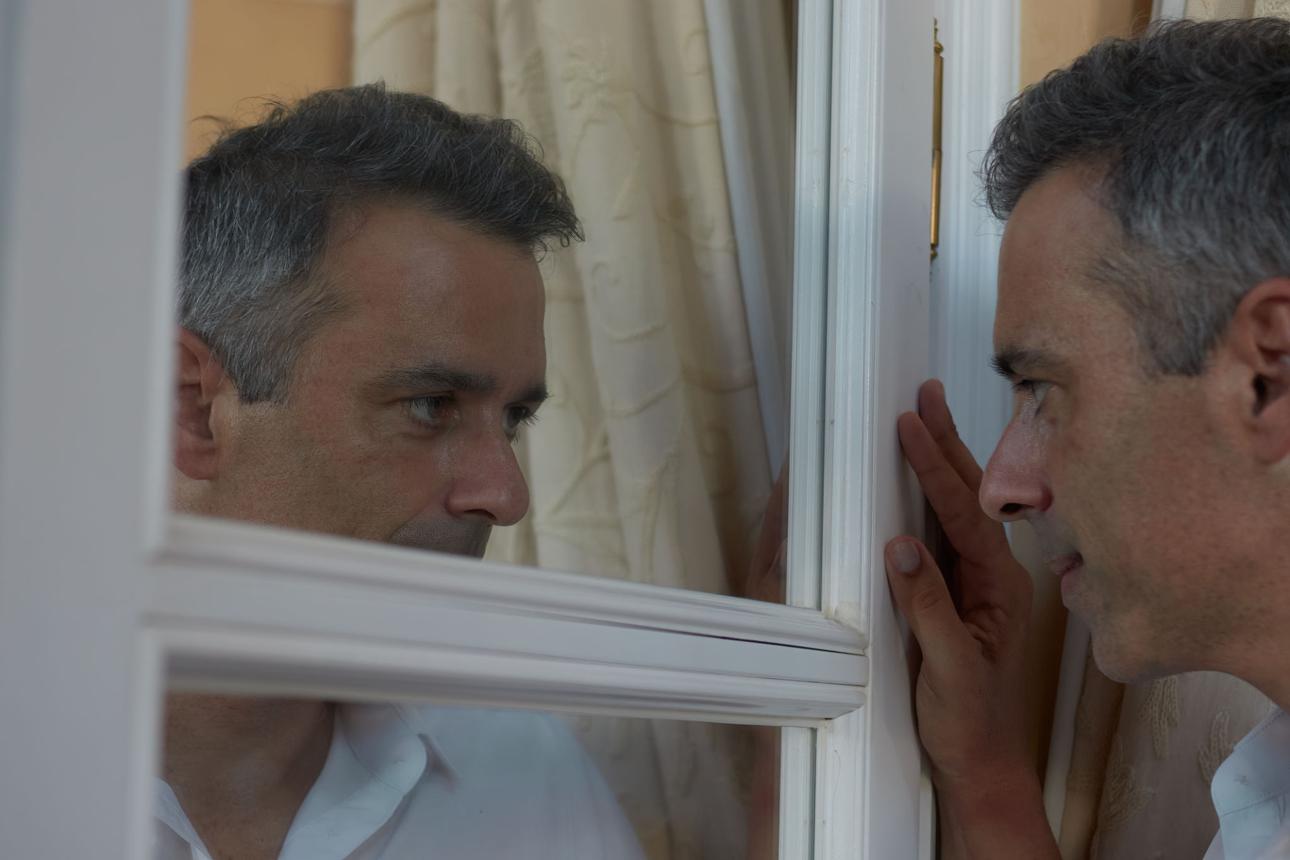
Many people assume denial means refusing to see the truth. We often imagine somebody being confronted with overwhelming evidence and simply rejecting it. Looking back on my own experiences, I don’t think denial worked like that at all. The evidence was often sitting right in front of me. There were consequences I didn’t want to look at too closely, promises to myself that I struggled to keep, and a growing sense that my relationship with alcohol and drugs wasn’t as healthy as I wanted to believe. Yet despite all of that, I remained convinced that addiction was something that happened to other people.
I think one of the reasons denial can be so powerful is because many of us carry a very clear image of what addiction is supposed to look like. We compare ourselves to that image and feel reassured when we don’t match it. The problem is that the image itself is often inaccurate.
The Image Of Addiction That Kept Me Stuck
For years, my idea of alcoholism was somebody who drank from the moment they woke up, hid bottles around the house, lost their job, and eventually ended up sleeping on a park bench. My idea of addiction came from films like Trainspotting. Addiction looked chaotic, obvious, visible, and extreme. It belonged to people whose lives had completely fallen apart.
That wasn’t me, I had a career, I owned my own home, I paid my mortgage, I was functioning, I wasn’t drinking in the mornings and I wasn’t injecting heroin in a filthy flat somewhere. As long as I compared myself to those stereotypes, it became remarkably easy to conclude that I couldn’t possibly have a problem.
Looking back now, I can see that I wasn’t comparing myself to reality. I was comparing myself to an image. Whilst I was busy reassuring myself that I didn’t look like the addicts I saw in films or on television, I wasn’t asking whether alcohol and drugs were helping me become the person I wanted to be.
Denial often survives because we compare ourselves to a stereotype instead of honestly looking at our own lives.
Many people who are struggling with alcohol or drugs find themselves caught in a similar trap. They spend years comparing themselves to the most extreme examples they can find, rather than looking honestly at their own lives. The comparison creates a sense of relief because there is always somebody whose situation appears worse. Yet the relief is temporary because it doesn’t address the underlying question that keeps surfacing.
Denial Doesn’t Always Look Like Denial
One of the things I understand much better now is that denial rarely feels like denial when we’re living inside it. I didn’t wake up every morning consciously refusing to see reality. Instead, I found ways to explain reality. Whenever concerns began to surface, there was usually another explanation waiting nearby.
I could reassure myself that everybody else drank like this. I could focus on the fact that I only drank at certain times. I could remind myself that I was still managing to hold down a job and pay my bills. I could tell myself that I had cut down compared to a previous period in my life. Sometimes I convinced myself that if things were really that bad, somebody else would surely have noticed.
What strikes me now is how much energy went into maintaining that internal argument. Part of me knew something wasn’t right, part of me could see the consequences. Yet another part worked tirelessly to explain those consequences away. I was so busy proving that things weren’t quite bad enough to warrant concern that I never stopped to ask whether they were actually good.
Denial often exists in that uncomfortable space between knowing and not wanting to know. There can be moments of clarity where we recognise that something isn’t working, only for those moments to be quickly followed by explanations, comparisons, and justifications that allow us to push the concern back into the background.
Focusing On Labels Instead Of Consequences
For a long time, I thought the important question was whether I qualified as an addict. I worried about labels. I wondered whether my behaviour was severe enough. I questioned whether I fitted the definition. The more I focused on those questions, the easier it became to avoid looking at the impact alcohol and drugs were actually having on my life.
Eventually, I realised I had been asking the wrong question. What mattered wasn’t whether I fitted my image of an addict. What mattered was whether alcohol and drugs were helping me build the life I wanted.
Once I began looking through that lens, things became harder to ignore. I found myself reflecting on the quality of my relationships, my emotional wellbeing, my self esteem, and my ability to be present in my own life. I began noticing the ways substances affected my choices, my confidence, and my connection with other people. The more honestly I looked at those consequences, the harder it became to maintain the stories I had been telling myself.
This is often where denial begins to weaken. Not because somebody convinces us we have a problem, but because we become willing to look honestly at the impact our behaviour is having. The conversation shifts away from labels and towards reality.
Why LGBTQ+ People Can Find It Difficult To Acknowledge A Problem
For many LGBTQ+ people, acknowledging a problem with alcohol or drugs can feel particularly complicated because substances often exist within a wider story about community and belonging.
Historically, pubs, bars, clubs, and nightlife venues have been important places where LGBTQ+ people could meet, socialise, and feel accepted. Many of us found friendship in those spaces, some found relationships, others found the sense of belonging that had been missing elsewhere in their lives.
This can make questioning our relationship with alcohol or drugs feel frightening because it can seem as though we are questioning much more than a substance. We may find ourselves wondering what will happen to our friendships, our social life, and our sense of connection if things need to change.
I remember worrying that recovery would make my life smaller. I thought I would lose friends, become isolated, and miss out on experiences that felt central to who I was. Looking back, I can see that these fears helped keep me stuck because they encouraged me to focus on what I imagined I would lose rather than what I was already losing.
Many people fear recovery will make their world smaller, whilst failing to notice how much smaller their world has already become.
The irony is that whilst I feared recovery would take things away from me, alcohol and drugs were already taking things away. They were taking time, energy, emotional availability, self respect, and opportunities for genuine connection. I simply wasn’t paying attention to those losses with the same intensity.
The Curious Paradox Of Change
One of my favourite quotes comes from Carl Rogers, who wrote, “The curious paradox is that when I accept myself just as I am, then I can change.” For me, that quote captures something essential about recovery. For years, I thought acceptance meant defeat, I believed that admitting I had a problem would somehow make it more real, I thought acceptance was a form of surrender. What I eventually discovered was that acceptance isn’t surrender at all. Acceptance is honesty.
Acceptance is the willingness to stop arguing with reality. It is the willingness to stop comparing ourselves to other people and stop searching for evidence that things aren’t quite bad enough. It is the willingness to acknowledge where we are today rather than where we hope to be tomorrow.
We can’t change a reality we’re unwilling to acknowledge.
As long as I was defending my behaviour, nothing changed. As long as I was comparing myself to stereotypes from films and television, nothing changed. As long as I was focused on proving that I wasn’t as bad as somebody else, nothing changed.
The moment I accepted that my relationship with alcohol and drugs wasn’t working, something shifted. Not because recovery suddenly became easy, but because I was finally working with reality rather than against it. The energy I had spent defending and justifying could finally be directed towards understanding, healing, and change.
How Therapy Can Help
If you’re questioning your relationship with alcohol or drugs, therapy can provide a space to explore those questions without judgement. You don’t need to decide whether you’re an addict or an alcoholic before seeking support. You don’t need to wait until things become worse. Sometimes the most important step is simply becoming curious about the role alcohol or drugs are playing in your life and whether they are helping you move towards the life you want or away from it.
Therapy can help you explore the stories you tell yourself, the fears that may be keeping you stuck, and the consequences you may have been avoiding. It can also help you develop a more compassionate understanding of yourself, because lasting change rarely comes from shame. More often, it comes from honesty, acceptance, and support.
If any of this resonates with you, you don’t have to navigate it alone. Denial can keep us trapped between what we know and what we are willing to admit, often for years. Yet the moment we begin looking honestly at our lives is often the moment something starts to shift. How about booking in for a free 15-minute online introduction session to see if we’re the right fit?