


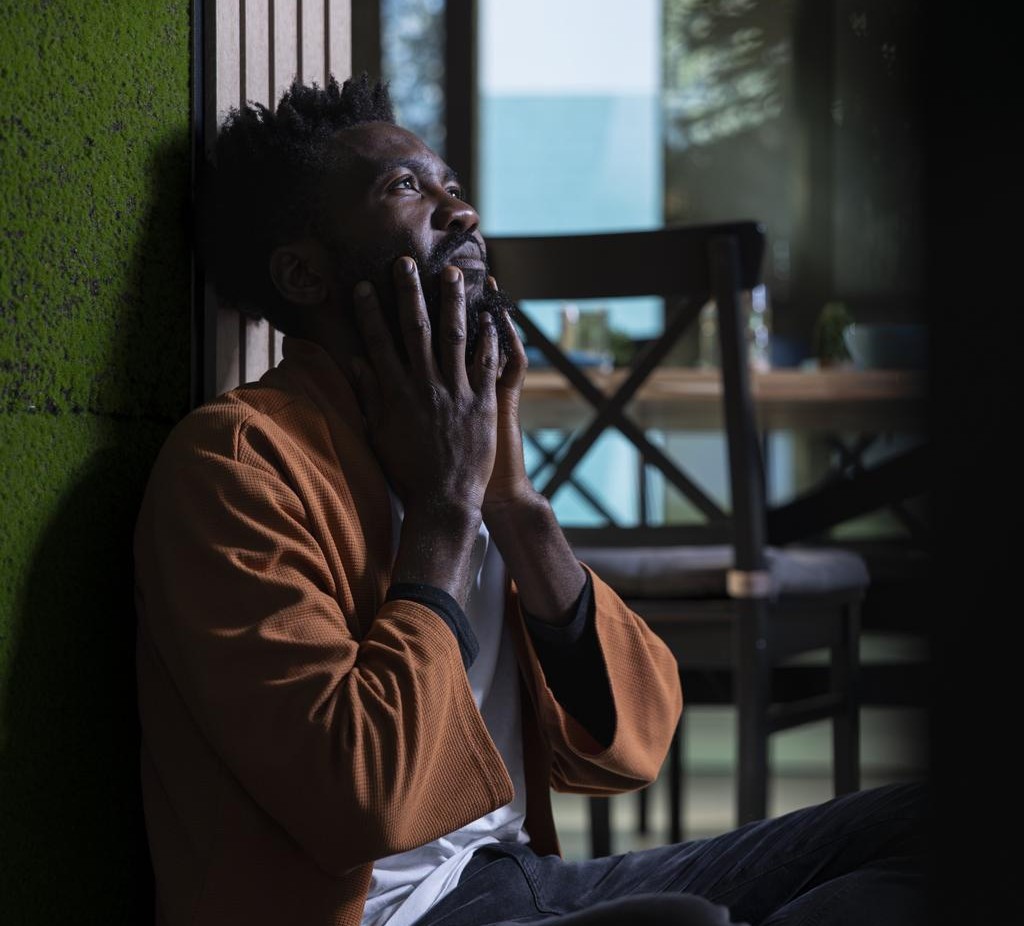
Depression is often described as sadness, but for many people it feels very different. Some experience emotional numbness rather than sadness. Others describe feeling disconnected from themselves, exhausted by everyday life, or unable to find enjoyment in things that once mattered to them. Even simple tasks can begin to feel overwhelming. Getting out of bed, replying to messages, maintaining relationships, or finding motivation can become increasingly difficult.
For LGBTQ+ people, depression often develops within a wider context. It rarely appears out of nowhere. Instead, it can be influenced by years of experiences that gradually shape how we see ourselves, relate to others, and move through the world.
DEPRESSION DOESN’T DEVELOP IN A VACUUM
When we think about depression, it can be tempting to look for a single cause. In reality, depression is usually influenced by multiple factors interacting together over time. Relationships, family experiences, trauma, stress, health, identity, social support, and life circumstances can all play a role.
For many LGBTQ+ people, experiences of rejection, bullying, discrimination, invisibility, or feeling different can create additional emotional burdens. Sometimes these experiences are obvious and easy to identify. Other times they are subtle and cumulative, developing through years of feeling like you don’t quite fit in or belong.
Minority stress theory helps us understand some of these experiences. Living as a member of a marginalised group often means carrying additional stressors that heterosexual and cisgender people may never have to consider. Worrying about acceptance, monitoring how safe it is to be yourself, navigating prejudice, or carrying memories of rejection can place the nervous system under ongoing strain.
Over time, that strain can become emotionally exhausting.
THE LINK BETWEEN SHAME AND DEPRESSION
One of the strongest themes I encounter in my work with LGBTQ+ clients is shame.
Many people grow up receiving messages, directly or indirectly, that there is something wrong with who they are. These messages may come from family, school, religion, peers, media, or wider society. Even when people are not openly rejected, they can still absorb a sense that they need to change, hide, or minimise aspects of themselves in order to be accepted.
Shame has a way of turning external experiences into internal beliefs.
Rather than recognising that they have been treated unfairly, people often conclude that they themselves are the problem. Beliefs such as “I’m not good enough”, “I don’t belong”, “People won’t like the real me“, or “I have to earn acceptance” can quietly shape a person’s relationship with themselves for years, contributing to depression, self criticism, and a growing sense of hopelessness when left unchallenged. When these beliefs remain unchallenged, they can contribute significantly to depression, self criticism, and hopelessness.
WHEN SURVIVAL BECOMES EXHAUSTING
Many LGBTQ+ people become highly skilled at surviving difficult environments.
They learn to monitor other people’s reactions, avoid conflict, hide parts of themselves, people please, achieve, perform, or become hyper independent. These adaptations often make complete sense within the environments where they developed. They helped people stay safe, avoid rejection, and maintain important relationships.
The challenge is that living in survival mode requires enormous amounts of energy.
Some people describe feeling constantly alert, as though they can never fully relax. Others spend years trying to prove their worth through achievement, perfectionism, or taking care of everybody else. Eventually, the emotional cost of maintaining these strategies can become overwhelming.
Depression sometimes develops when the nervous system can no longer sustain the level of effort required to keep going in the same way. What appears from the outside as a lack of motivation may actually be the result of years of emotional exhaustion.
LONELINESS, BELONGING, AND CONNECTION
Human beings are wired for connection. Feeling accepted, valued, and understood plays an important role in our mental health and wellbeing. Many LGBTQ+ people experience periods of loneliness throughout their lives. Some feel disconnected from family. Others struggle to find community, hide aspects of themselves in relationships, or carry fears of rejection that make vulnerability difficult.
Research consistently shows that belonging acts as a protective factor for mental health. Community, acceptance, chosen family, friendships, and meaningful relationships can all help buffer the effects of minority stress.
Conversely, chronic loneliness and disconnection can increase vulnerability to depression.
This is one reason why connection often plays such an important role in recovery.
HOW THERAPY CAN HELP
Therapy is not about forcing yourself to think positively or pretending difficult experiences never happened. Instead, it provides a space to understand what may be contributing to your depression and how those experiences have shaped the way you relate to yourself and the world around you.
Together, we can explore experiences linked to shame, trauma, minority stress, self criticism, rejection, loneliness, identity, relationships, and emotional exhaustion. We can also begin developing greater self compassion, emotional awareness, self worth, and healthier ways of responding to difficult emotions.
For many people, healing involves recognising that depression is not a personal failure. Often it is an understandable response to carrying more than any person was ever meant to carry alone.
Whatever challenges you’re facing, there’s usually a reason they developed in the first place. The thoughts, feelings, and behaviours we struggle with today are often adaptations to experiences that once required us to survive, protect ourselves, or belong. Understanding those patterns with curiosity and compassion can be the first step towards lasting change.